1. The Project
Comics are a strategic focus of the Museu Nacional d’Art de Catalunya (MNAC). The Museum’s graphic collection includes original works by almost all the illustrators of the turn of the century, and it has a specific acquisitions programme for comics and illustration to expand its holdings. Beyond the collection itself, comics are present across the Museum’s activities: from scheduling the exhibitions to promoting educational and mediation initiatives.
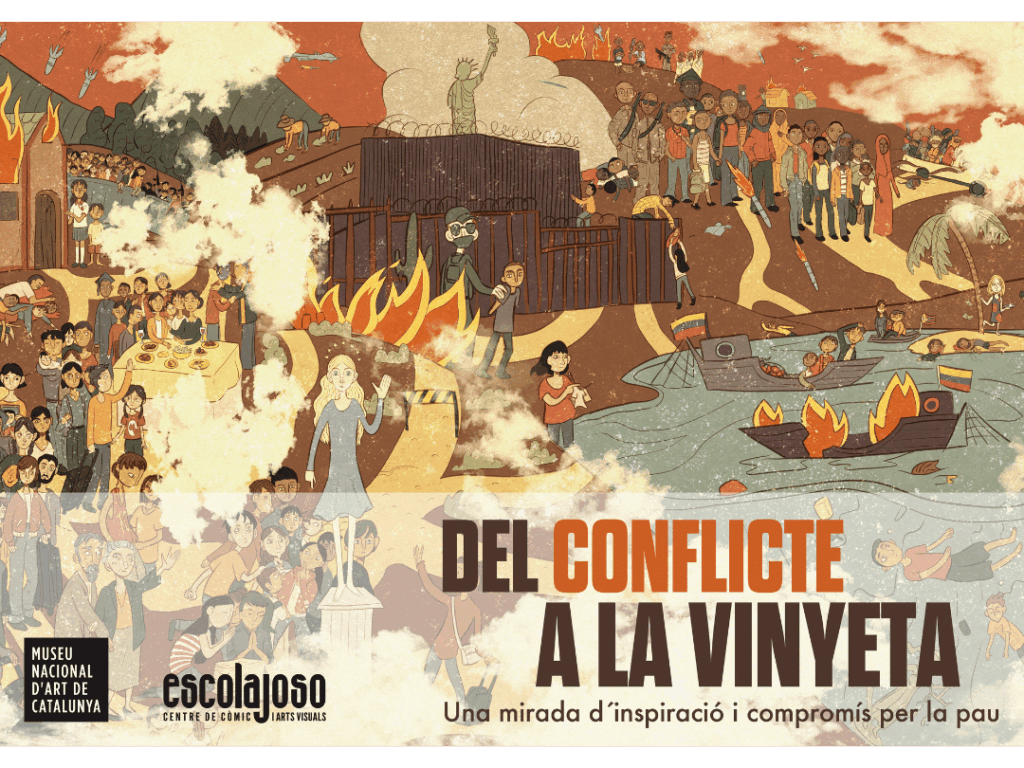
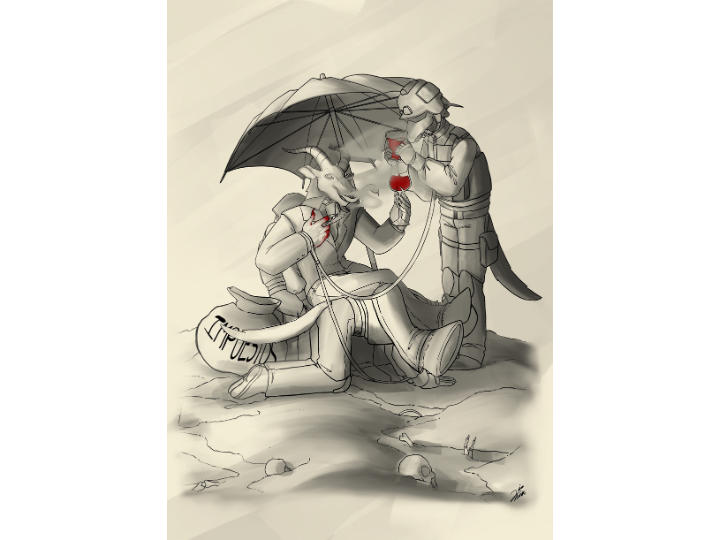
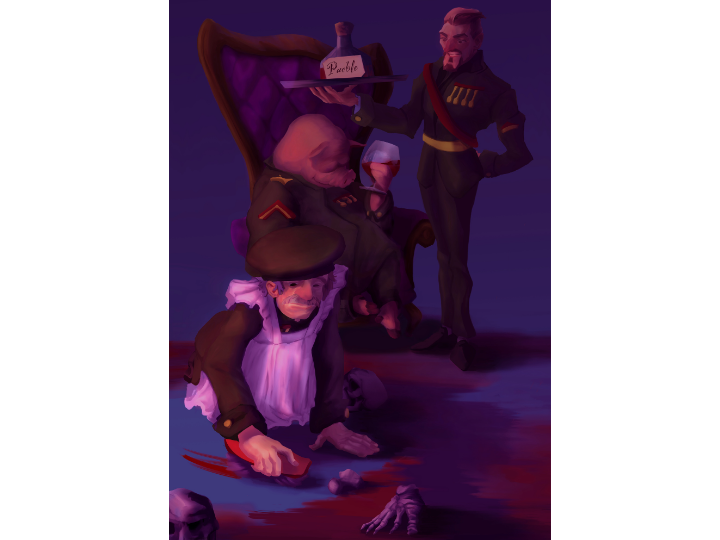
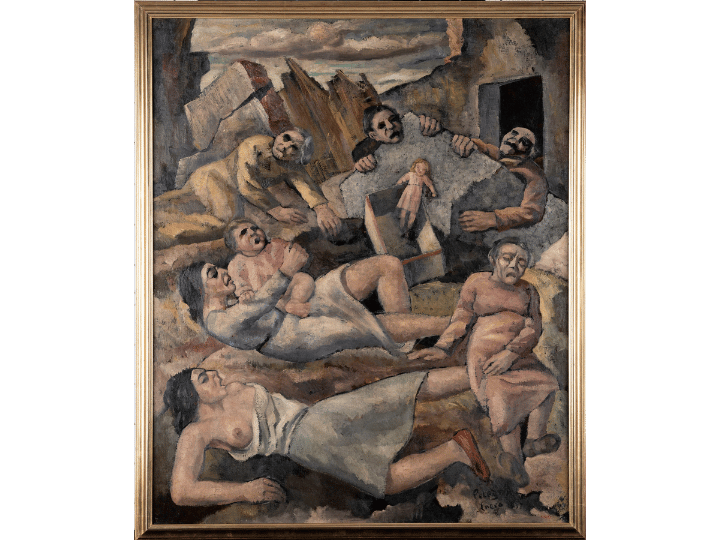
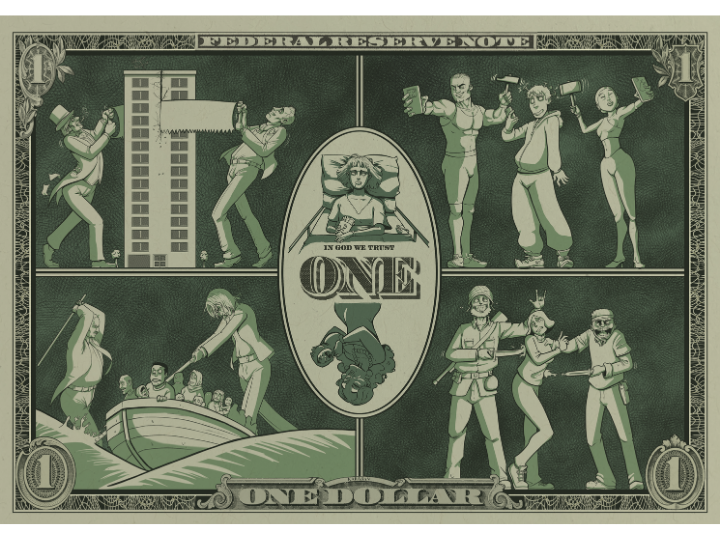
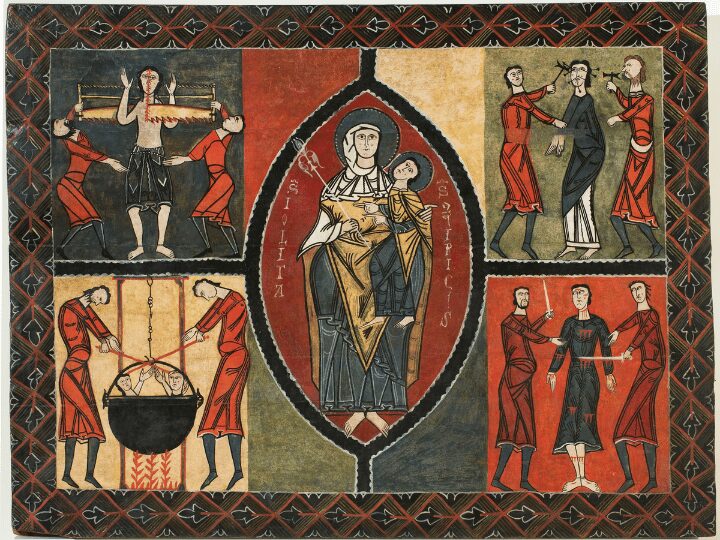
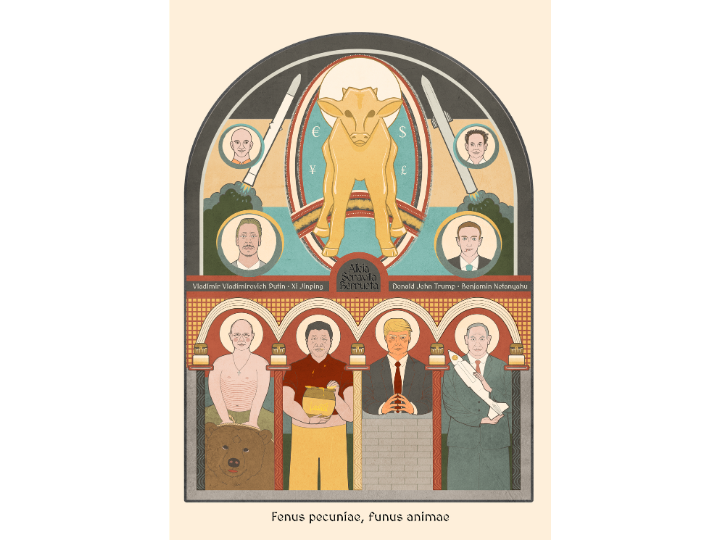
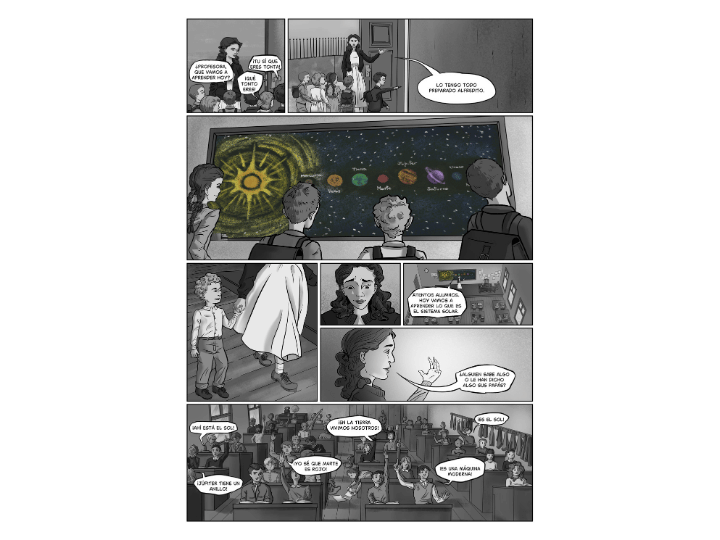
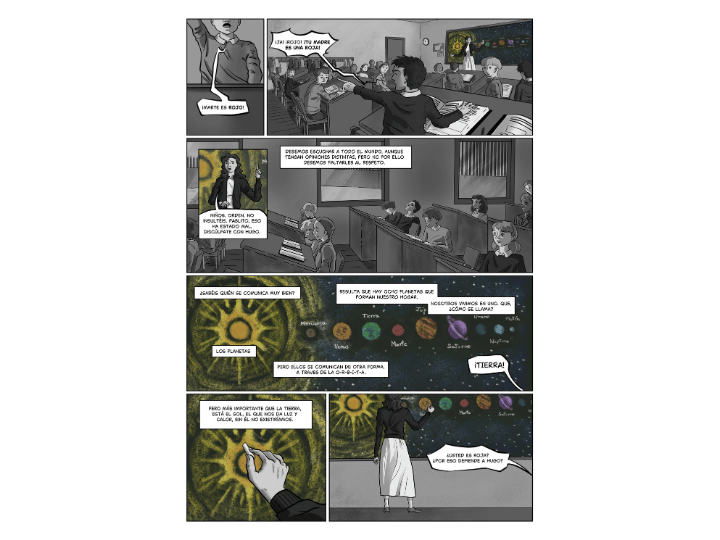
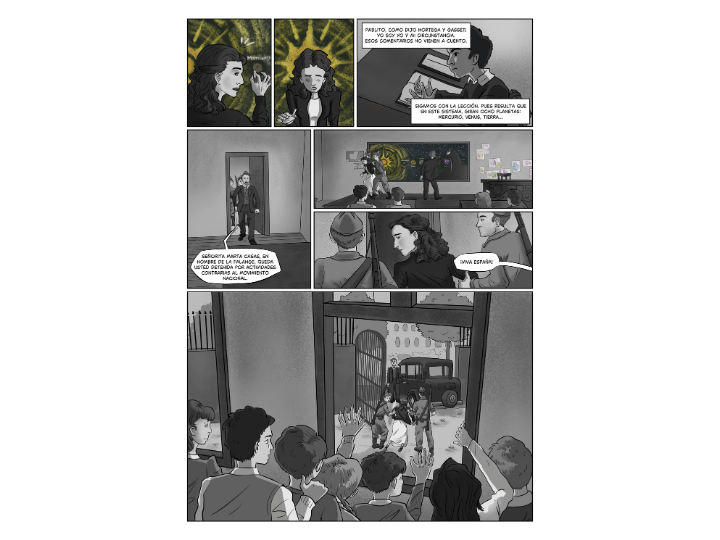
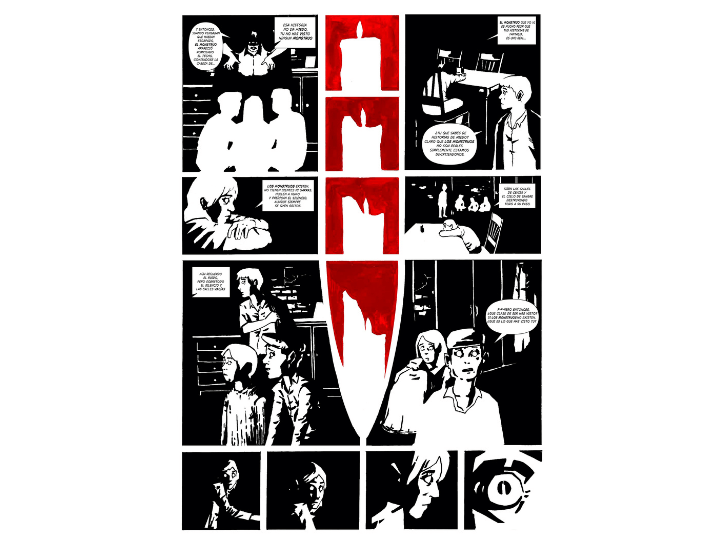
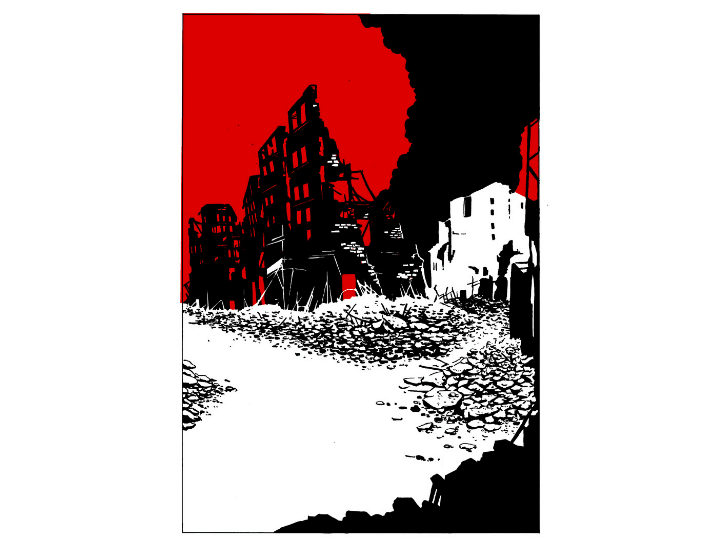
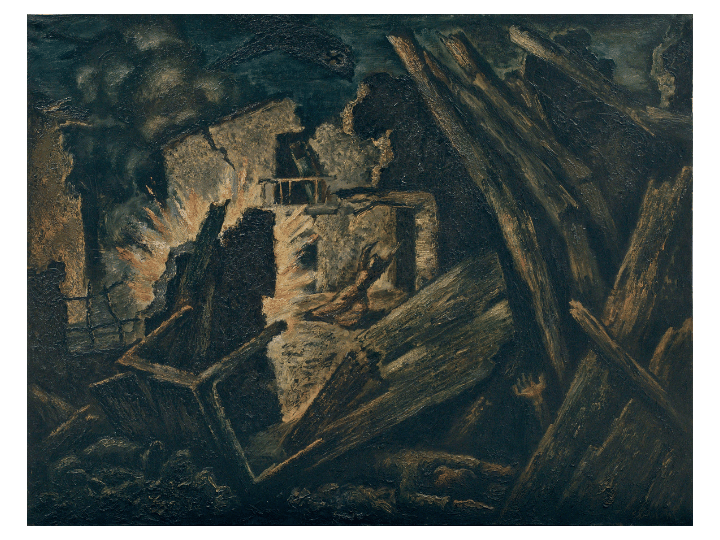
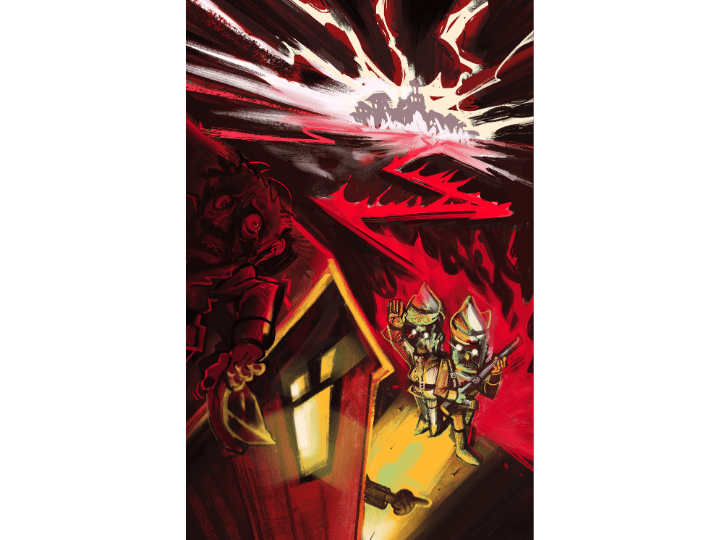
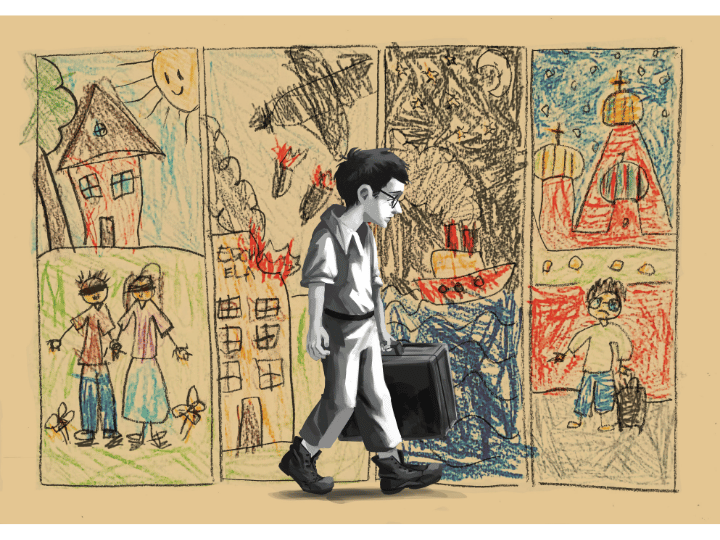
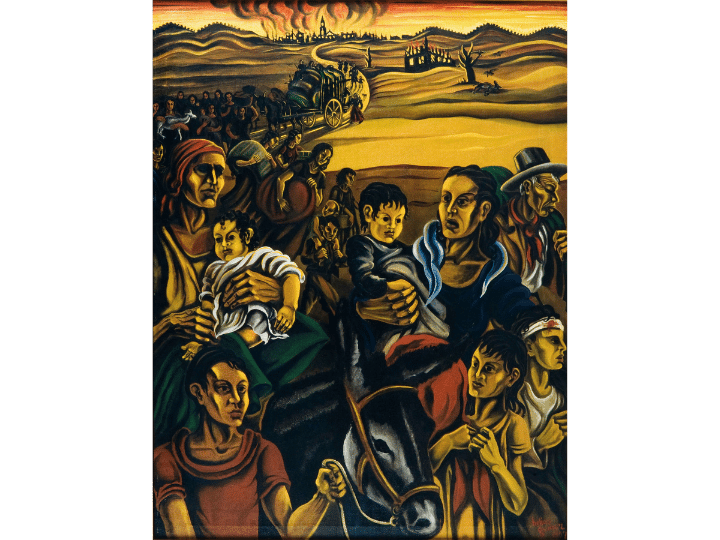
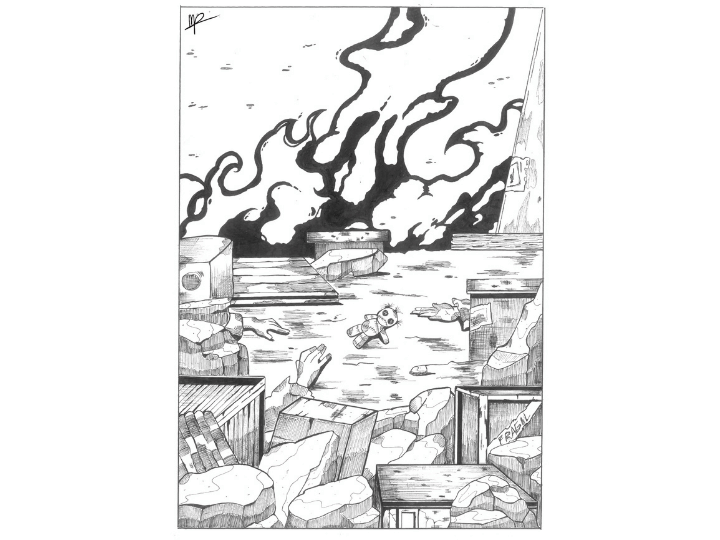
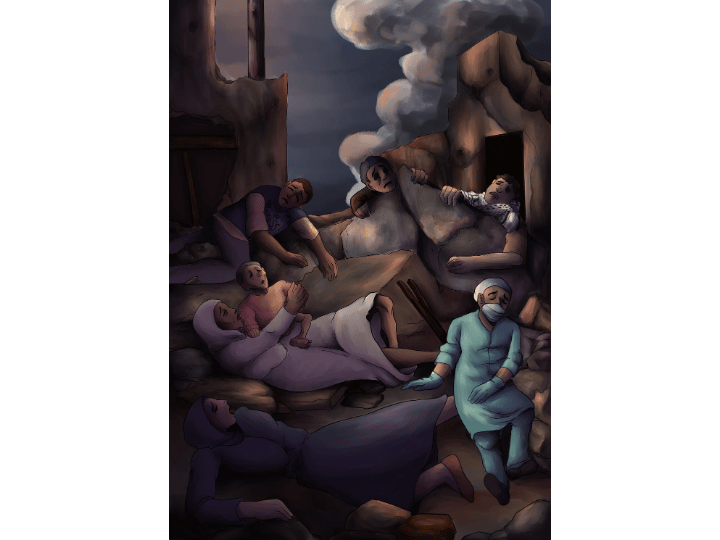
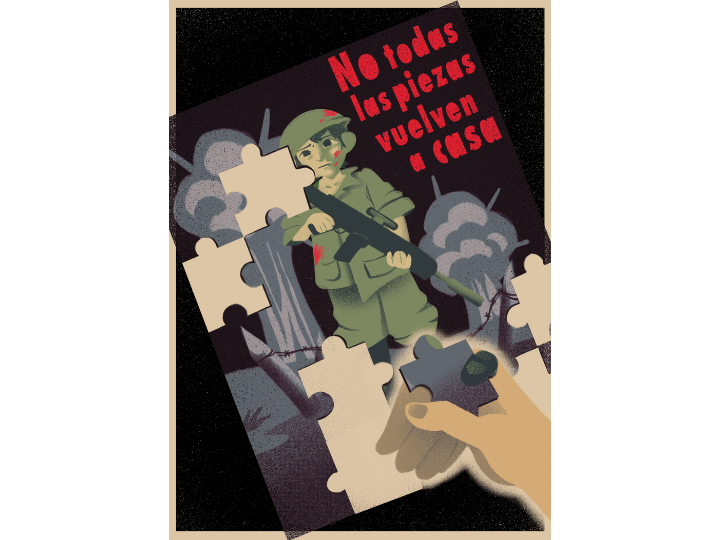
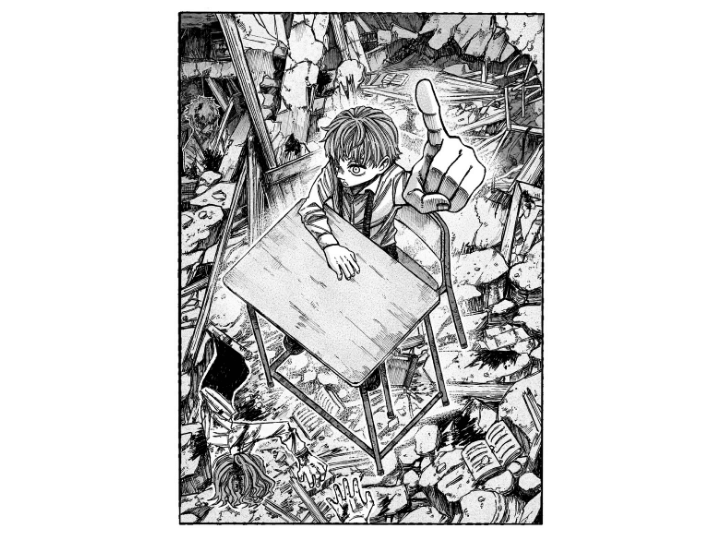
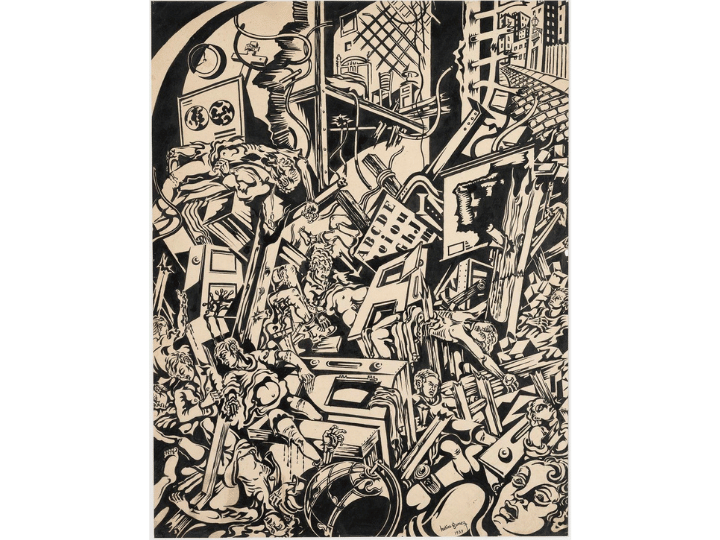
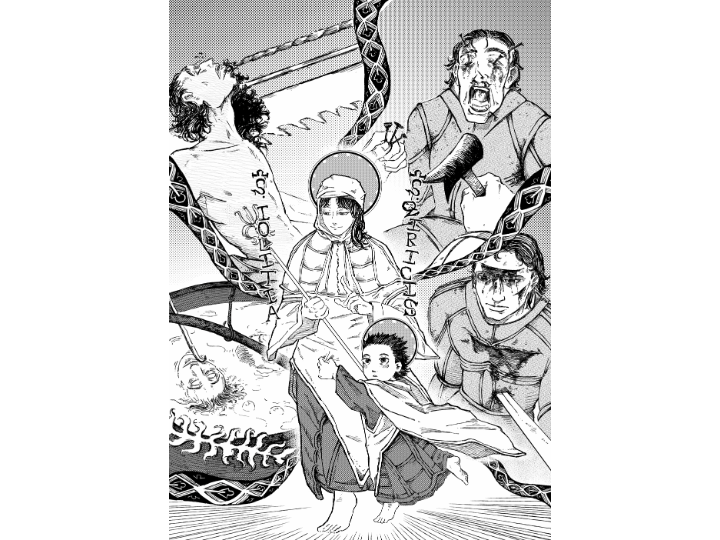
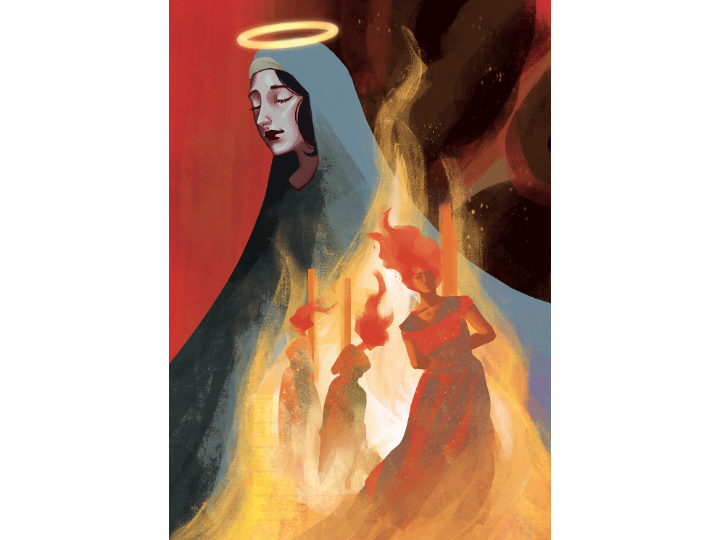
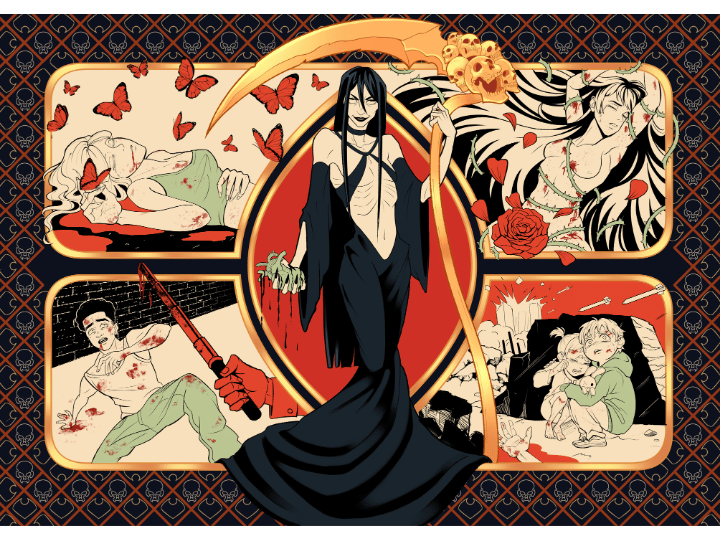
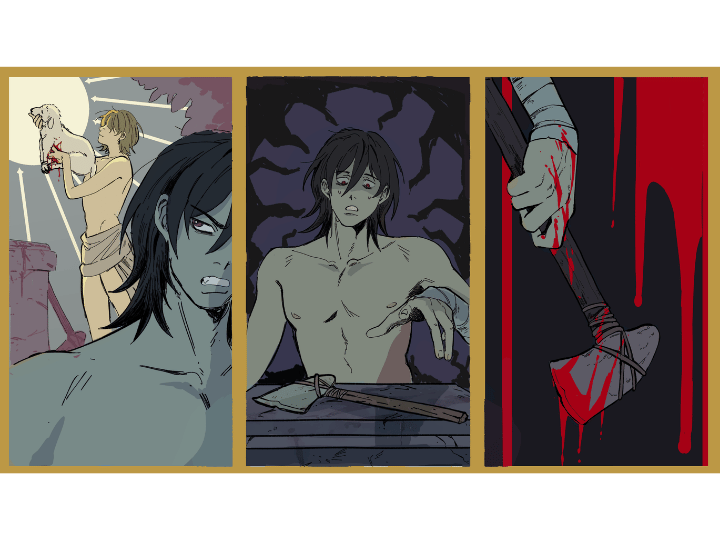
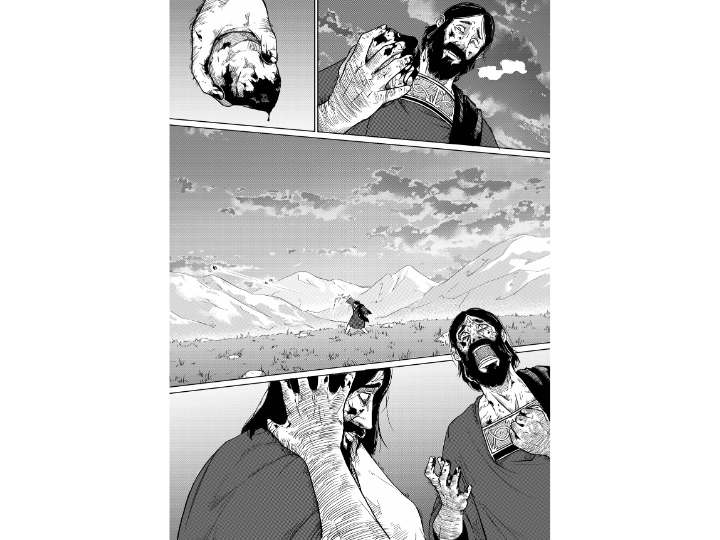
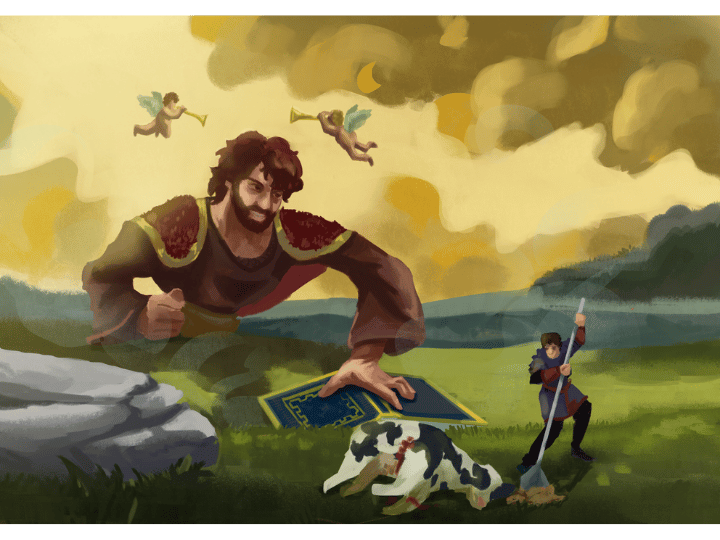
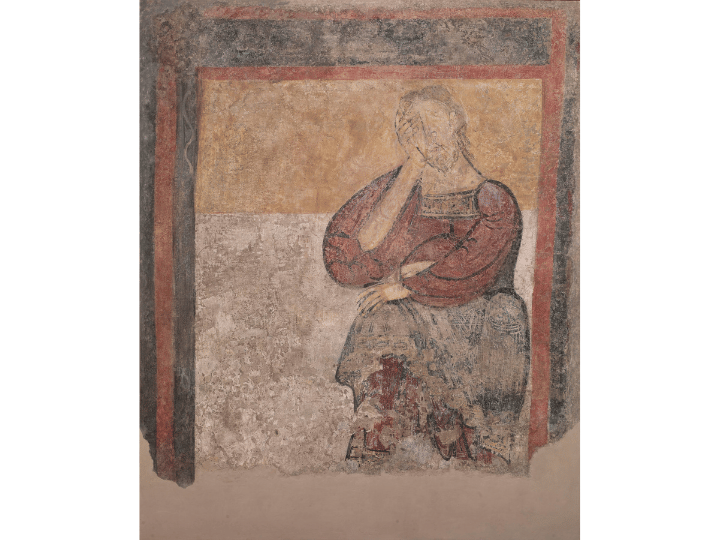
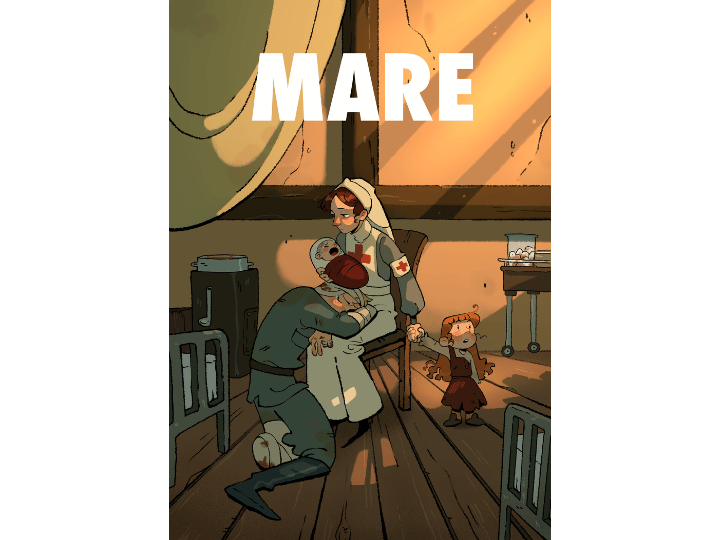
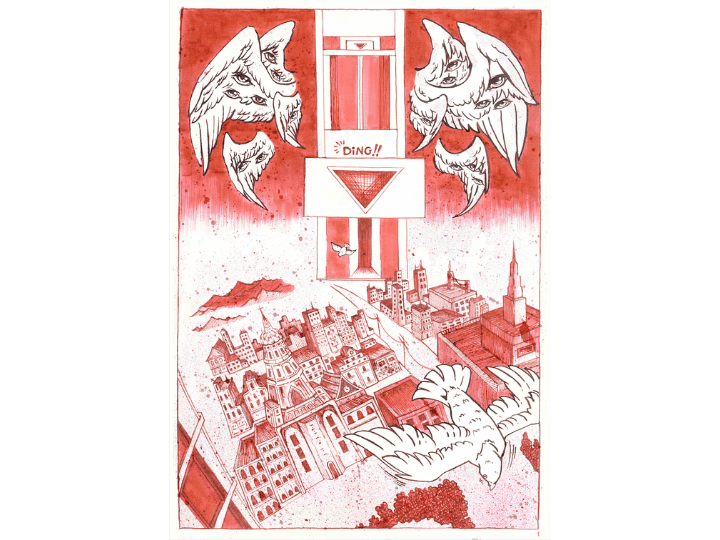
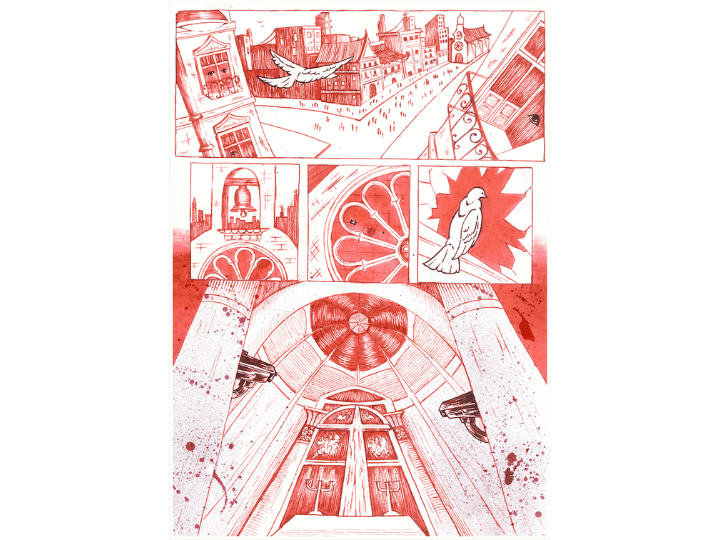
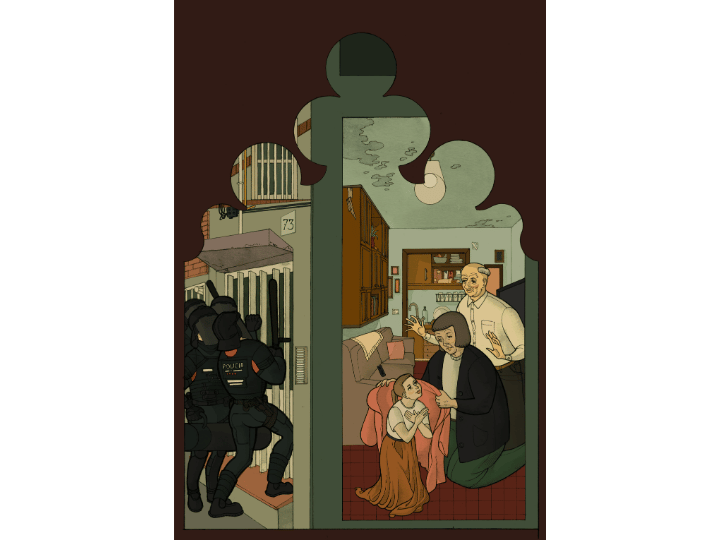
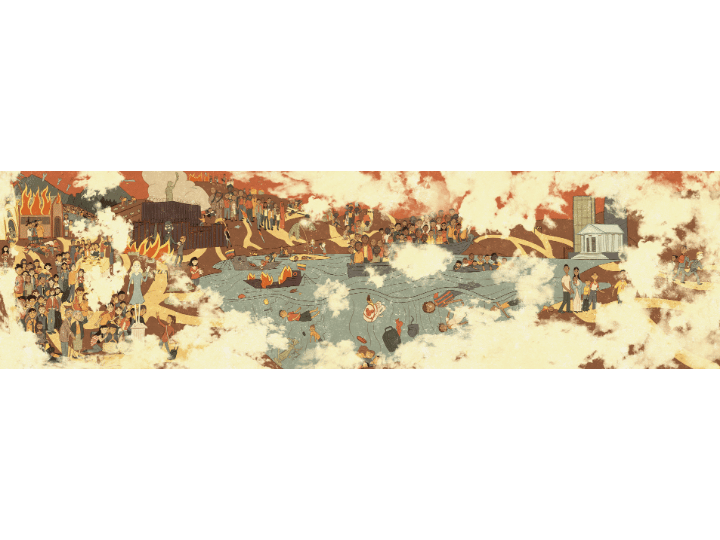
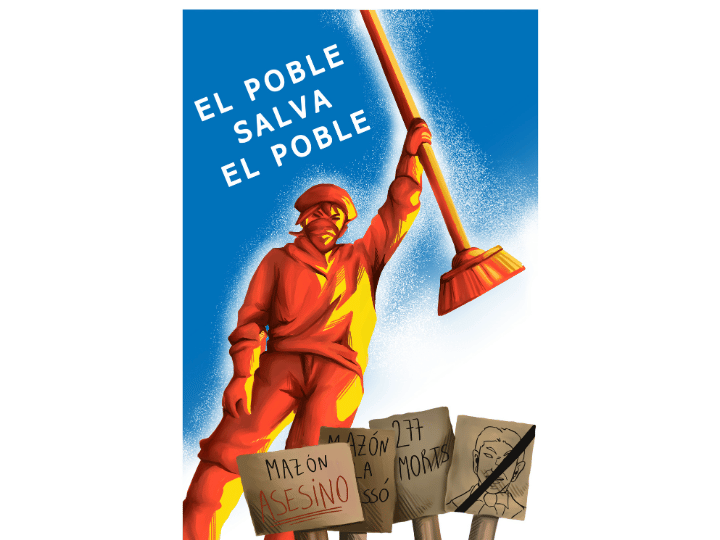
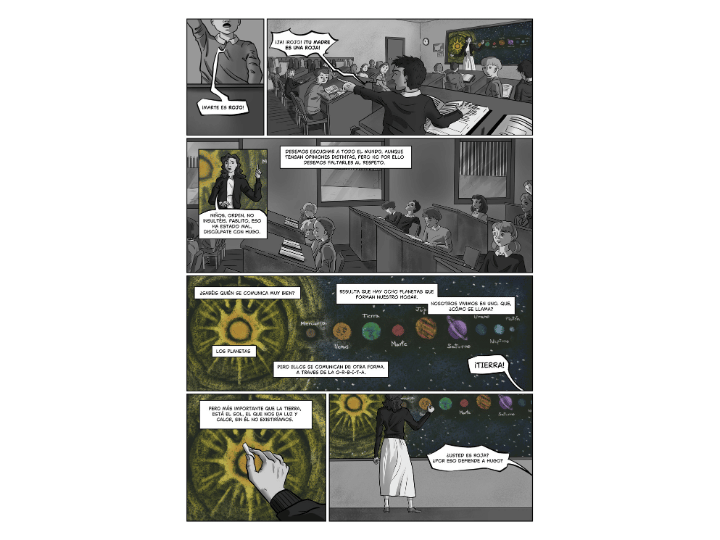
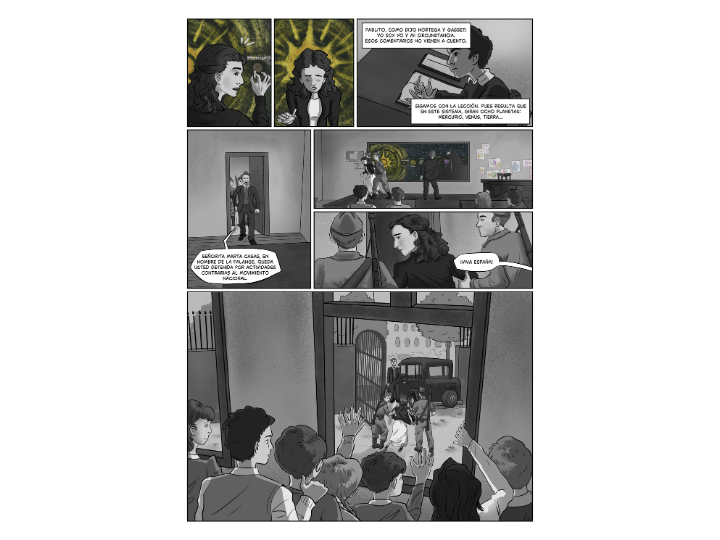
Fourth-year Graphic Art students from Escola Joso have created around sixty comic reinterpretations based on roughly twenty works from the MNAC collection linked to contexts of conflict. This is the result of a process that included a guided visit, the selection of works, contextual research and creation, now presented in the virtual exhibition From Conflict to the Comic Strip.
Using this example as inspiration, we invite you to create your own comic with resources that will help you bring your first panels to life. Ready to give it a try?
2. New Perspectives on the MNAC Collection
The itineraries propose several ways of engaging with the original works: from more faithful readings to freer, more symbolic or critical approaches. Below, you will find seven areas organised around the resources each artist has chosen to reinterpret them.
2.1. Satire and Humour
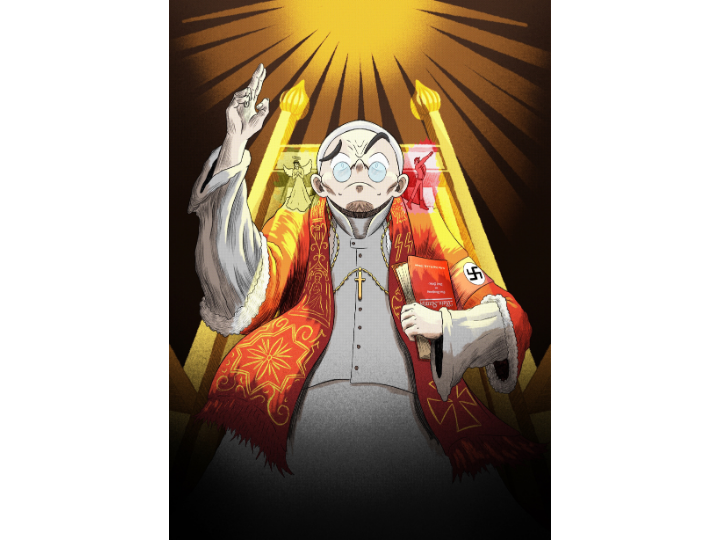
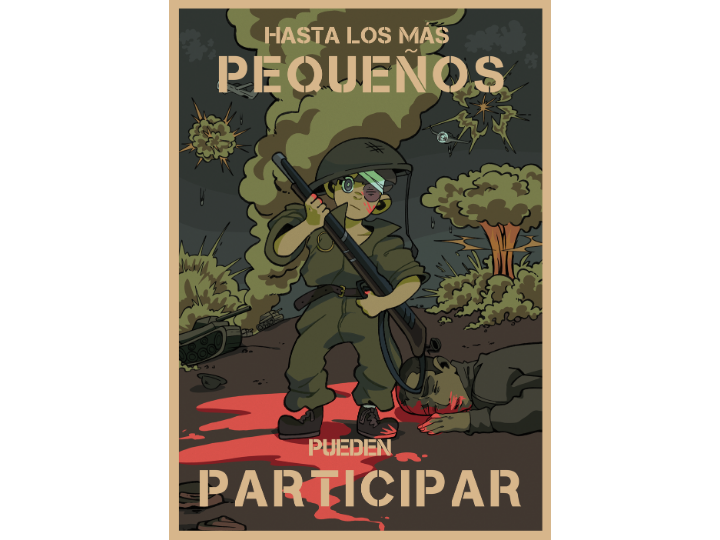
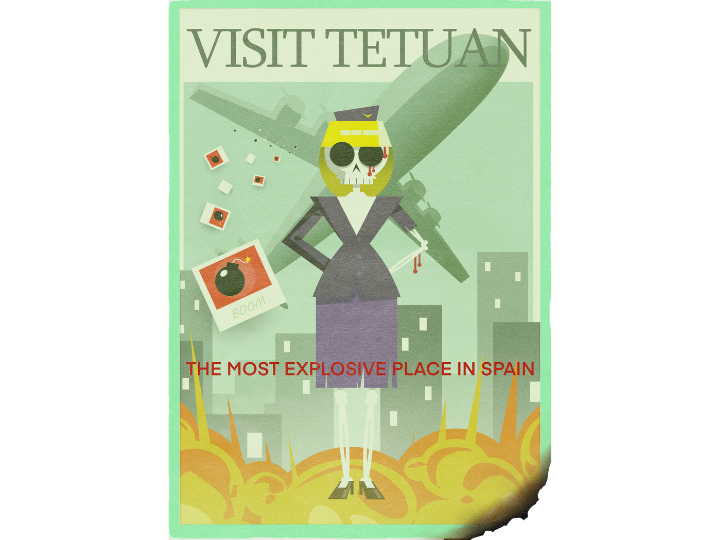
Satire is a critical and humorous resource that uses irony and parody to ridicule or denounce institutions or figures of power, often marked by hypocrisy or corruption.
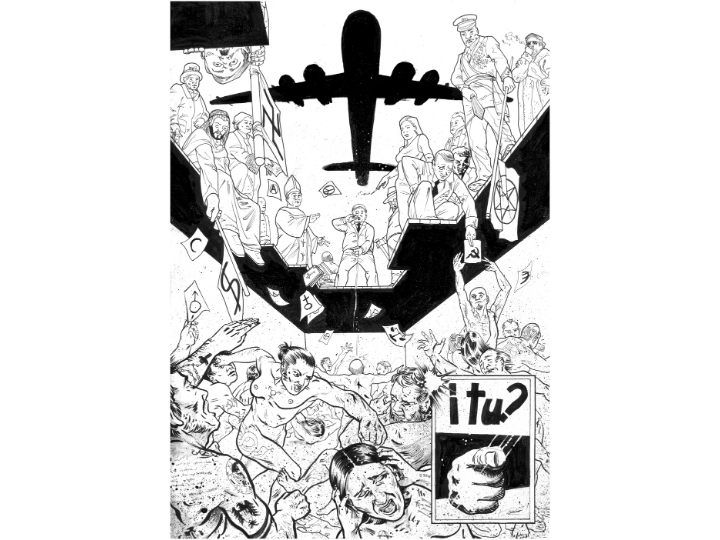
An artist may construct an image of the enemy that is not only open to ridicule, but also intended to provoke reflection and awaken the viewer’s awareness. Protest and catharsis are part of the same whole.
2.2. Protest
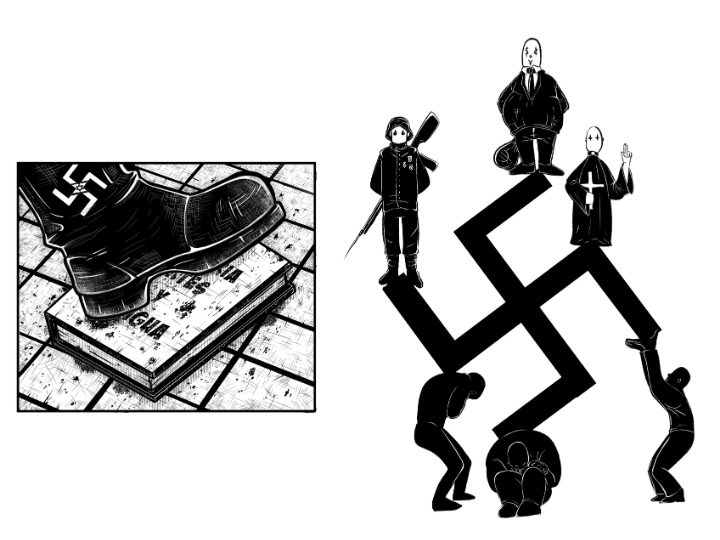
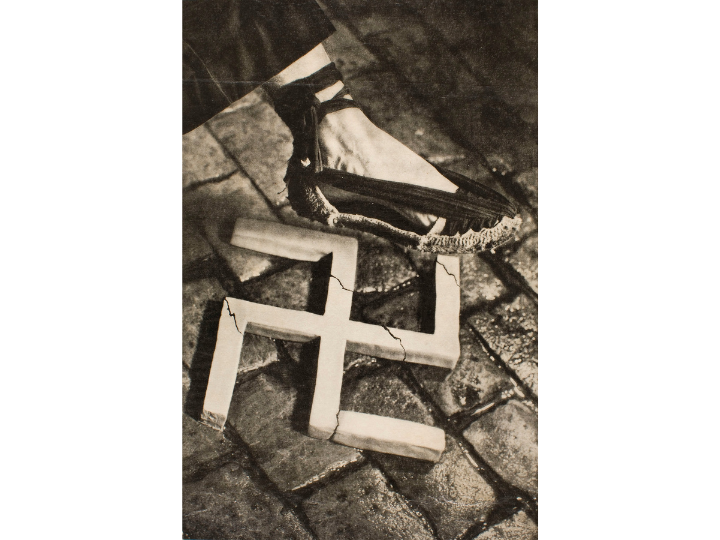
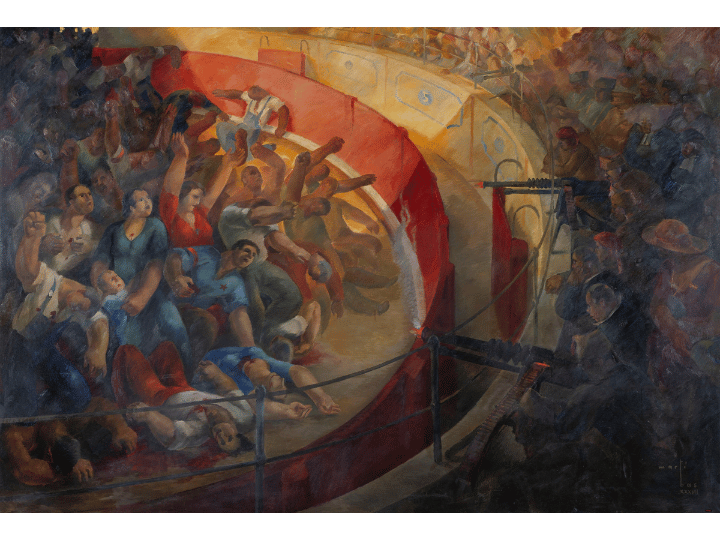
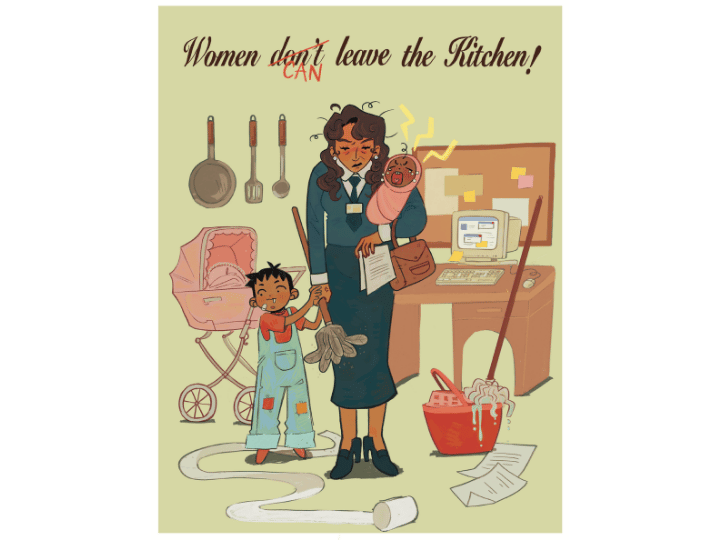
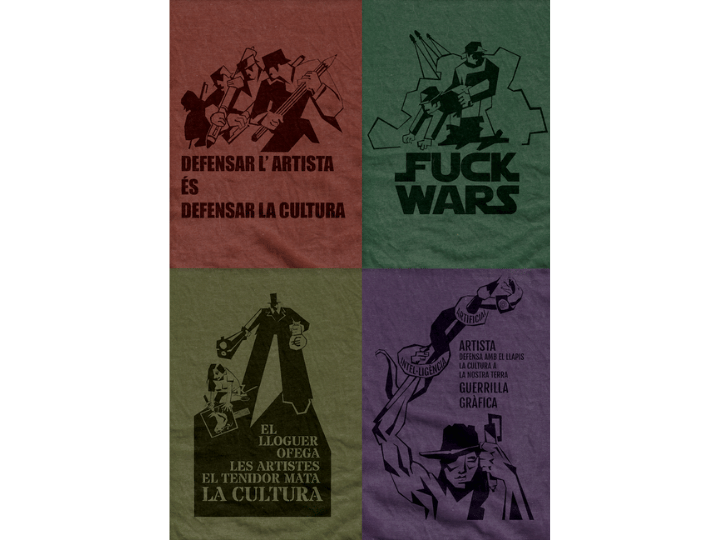
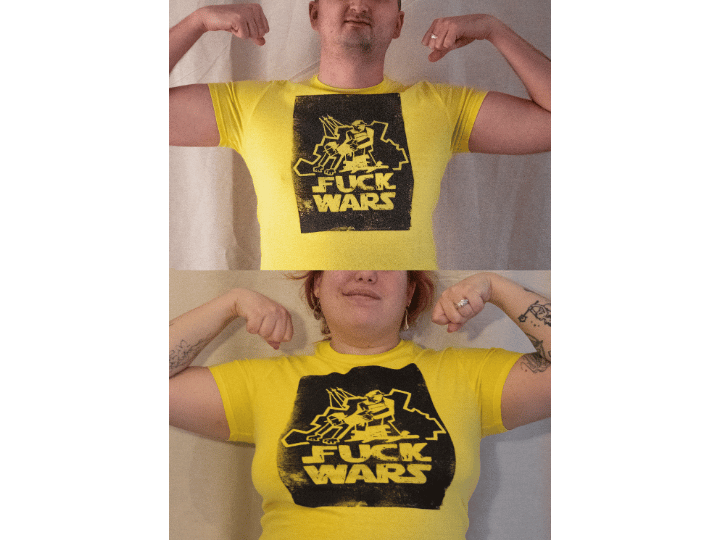
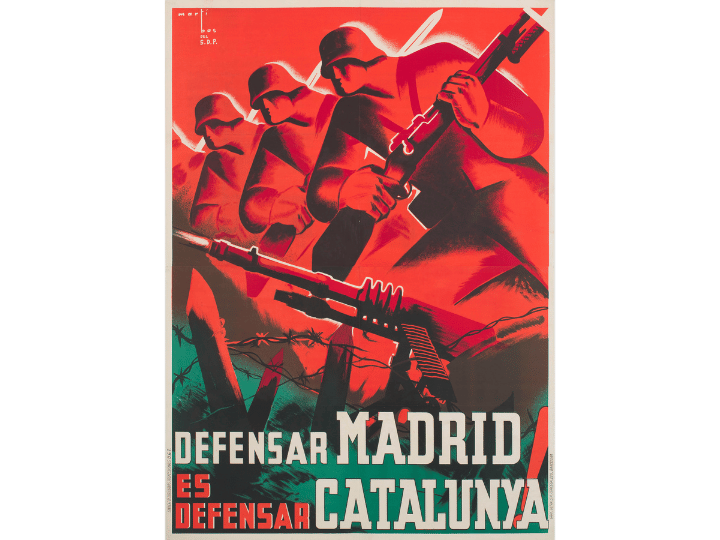
Art is a powerful means of making injustice, inequality and human rights violations visible. It ceases to be an end in itself and becomes an instrument of protest. It confronts the viewer directly with the intention of stirring consciences and mobilising society towards change.
2.3. Escape
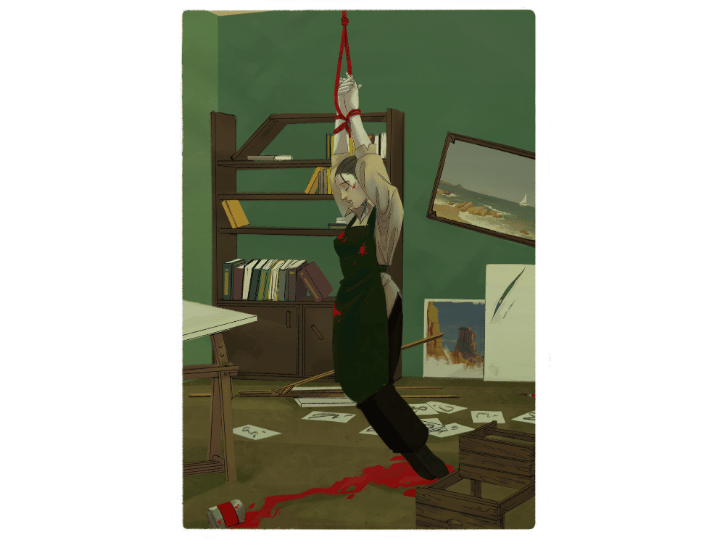
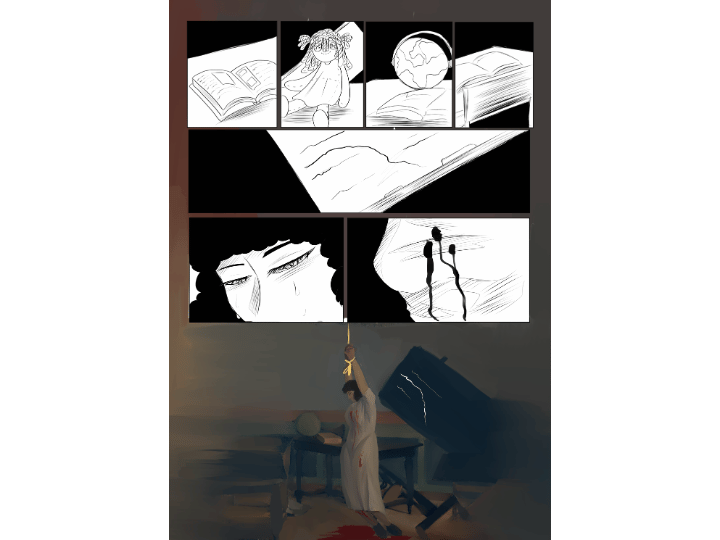
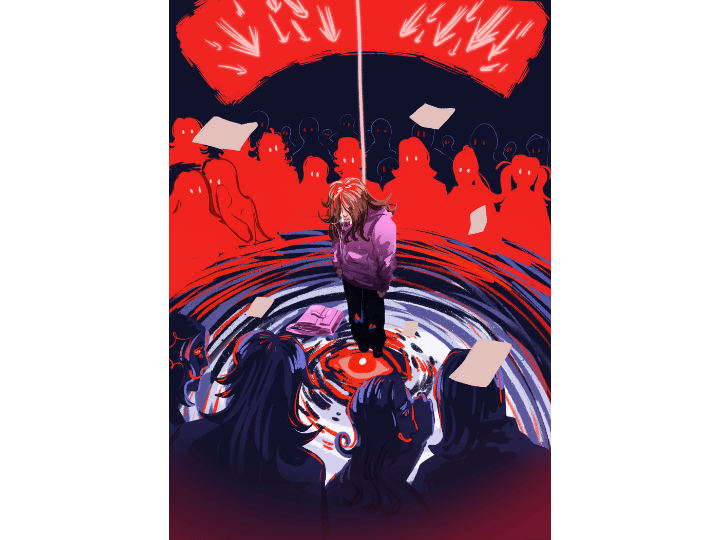
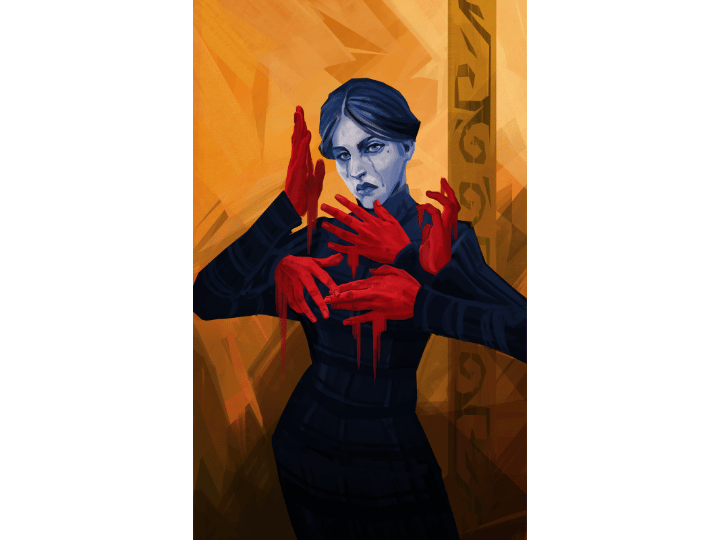
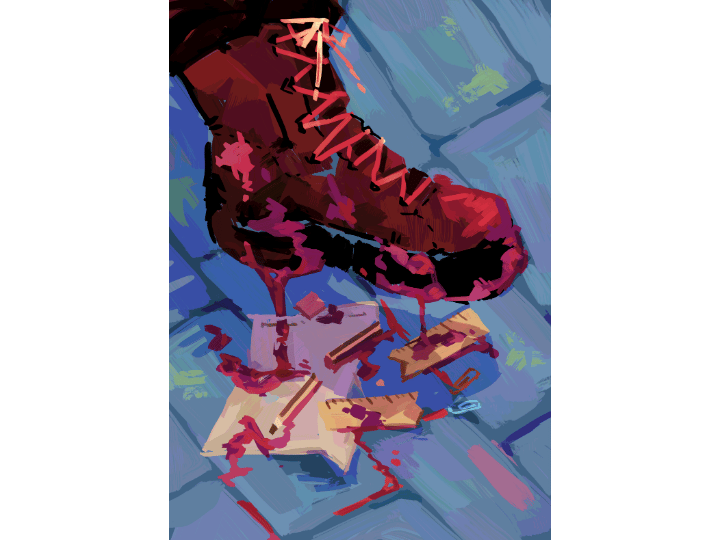
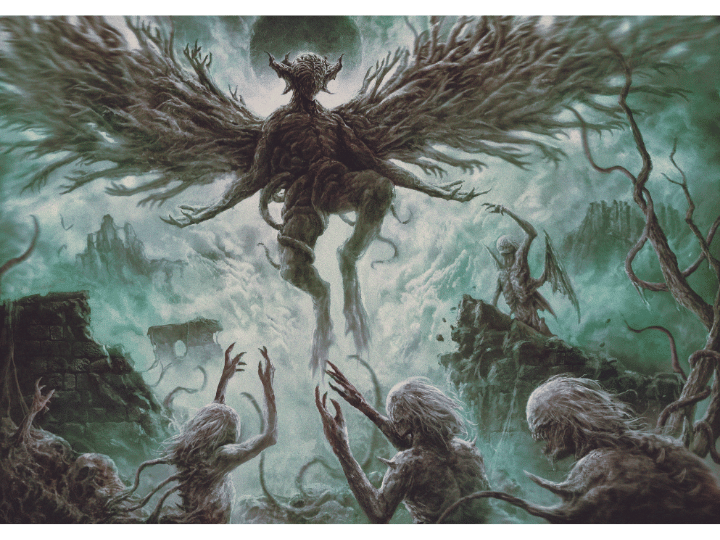
In this area, conflict is represented in a more abstract way, through evocative images that are apparently not directly linked to the subject. The most explicit aspects are avoided in order to focus on the emotions they evoke.
2.4. Metaphor
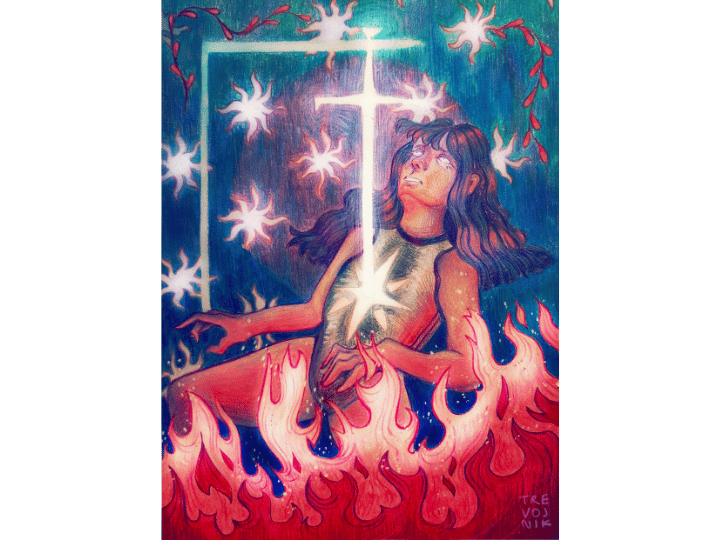
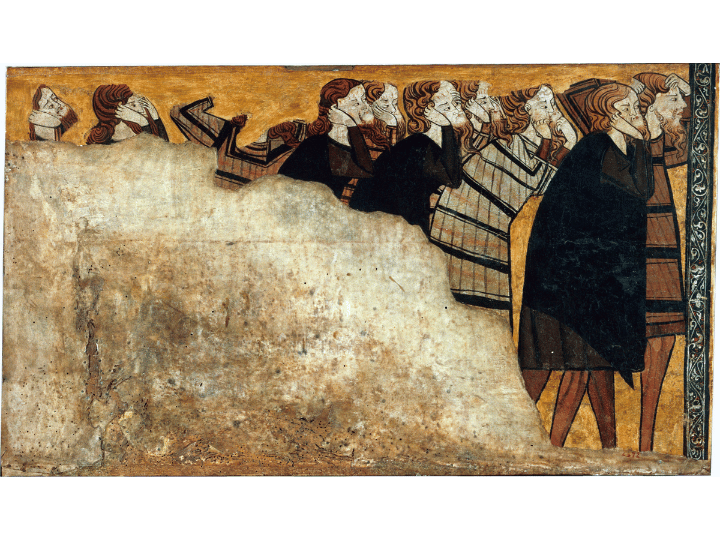
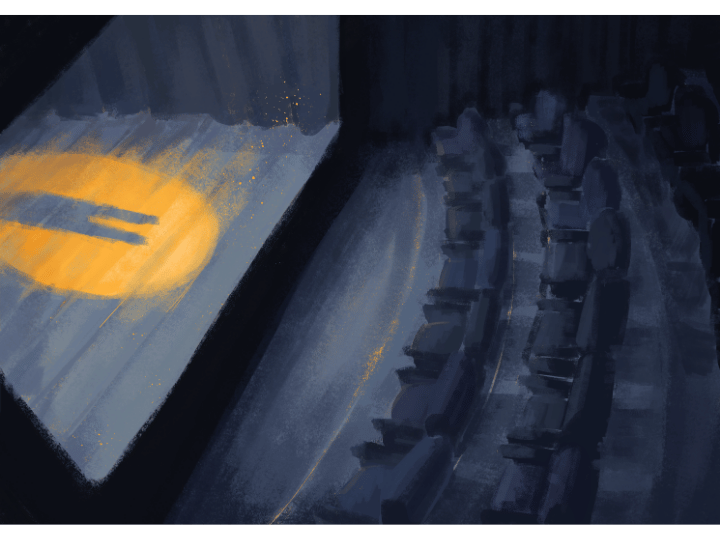
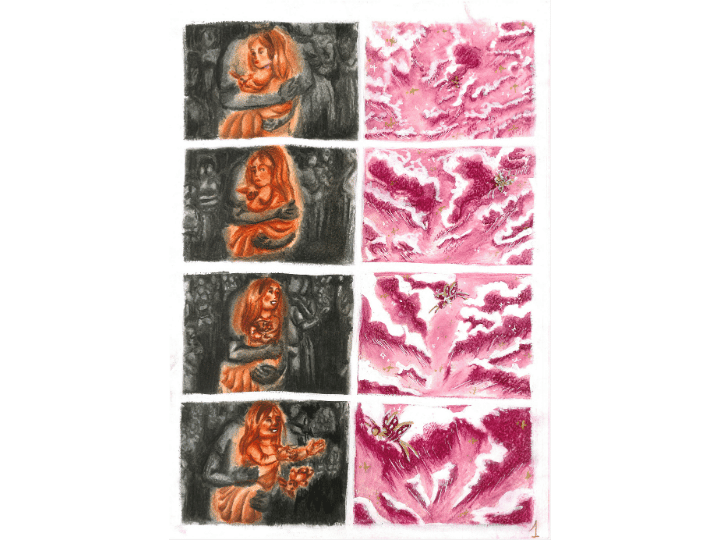
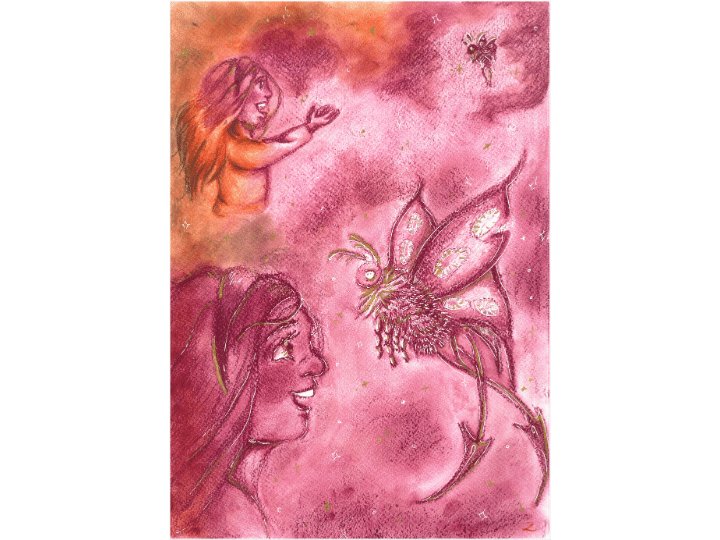
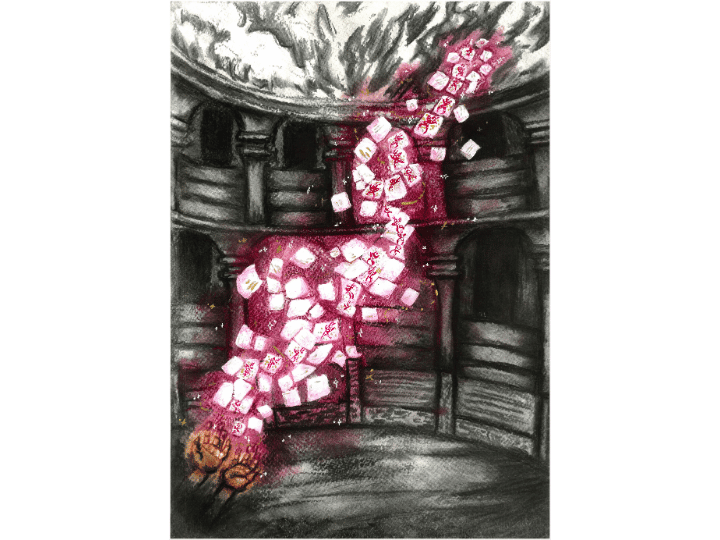
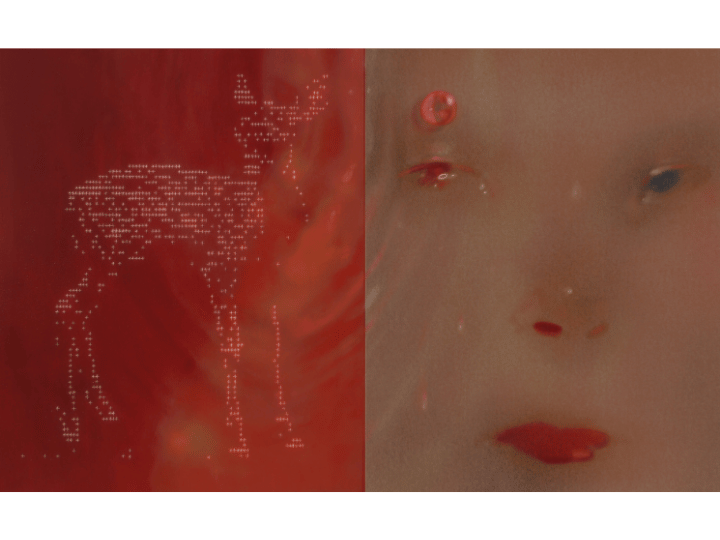
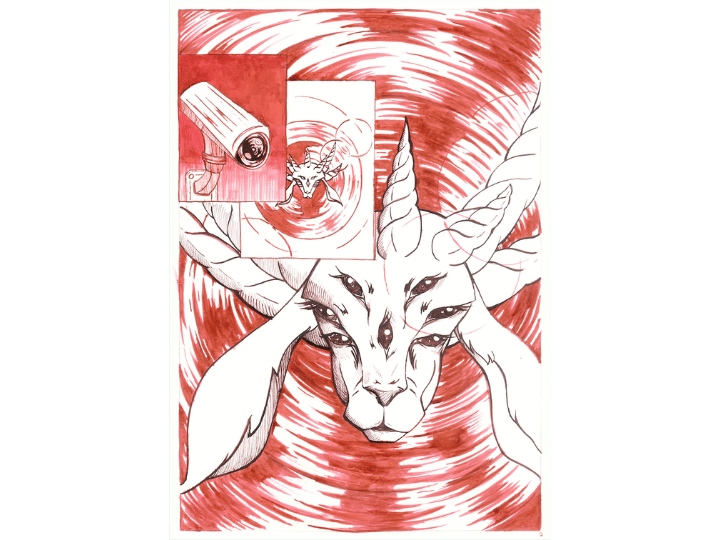
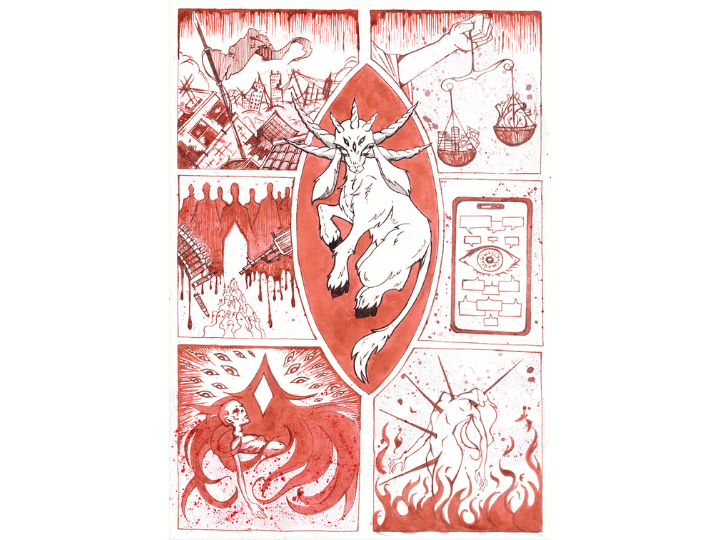
In this section, the element of reference is replaced by an imaginary one, and the qualities of a conflict are transferred to a new setting. This enriches the language and makes it more visual and poetic. Instead of representing reality literally, symbolism, analogy and visual association are used to evoke emotions and reflections in the viewer.
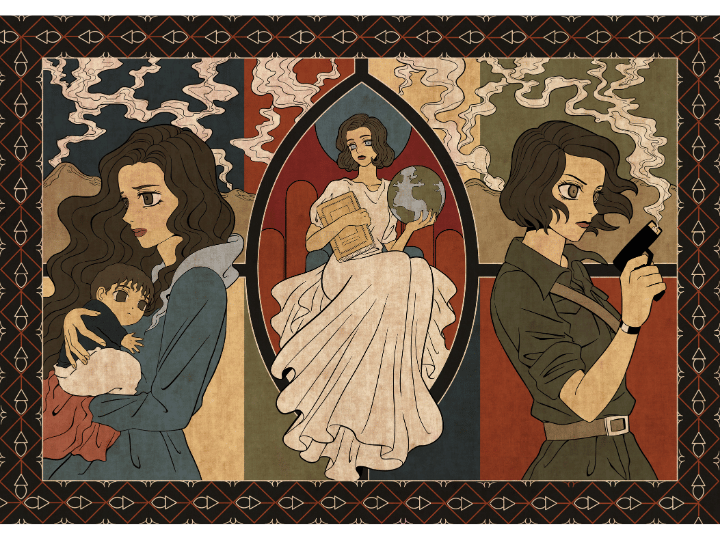
2.5. Interpretation
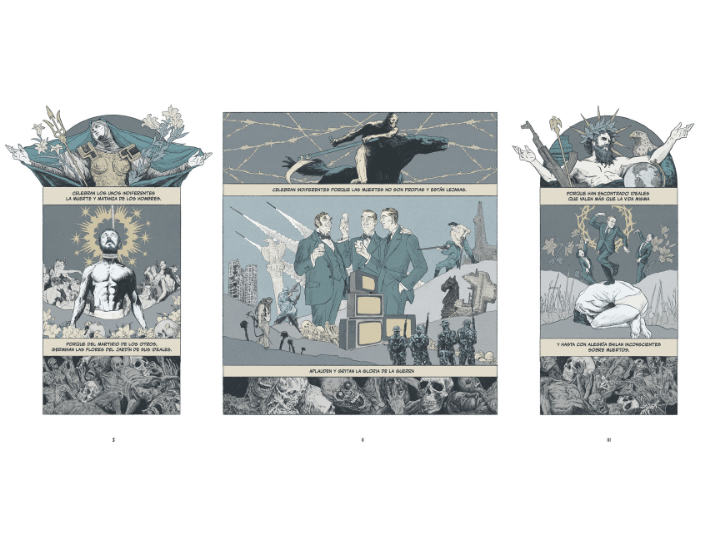
These creations do not seek merely to copy the Museum’s works, but rather to decipher the code with which they were created. Emotion and context are processed, themes and symbolism are identified, and they are reconsidered in order to offer new perspectives on the object of study.
2.6. Extrapolation
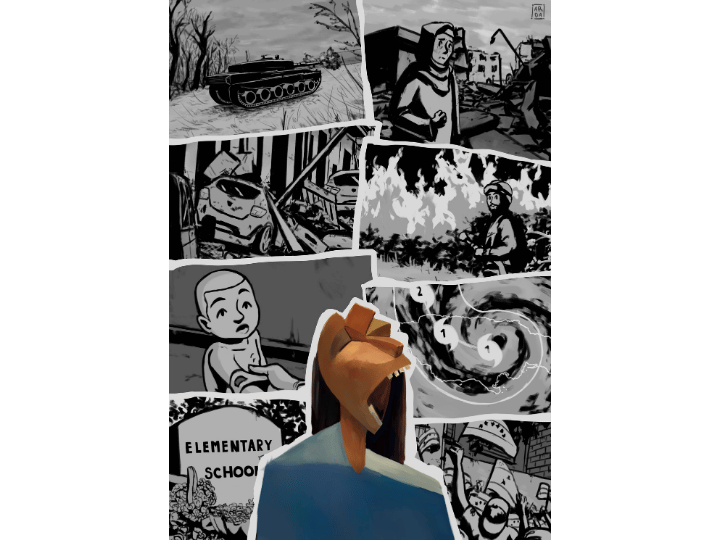
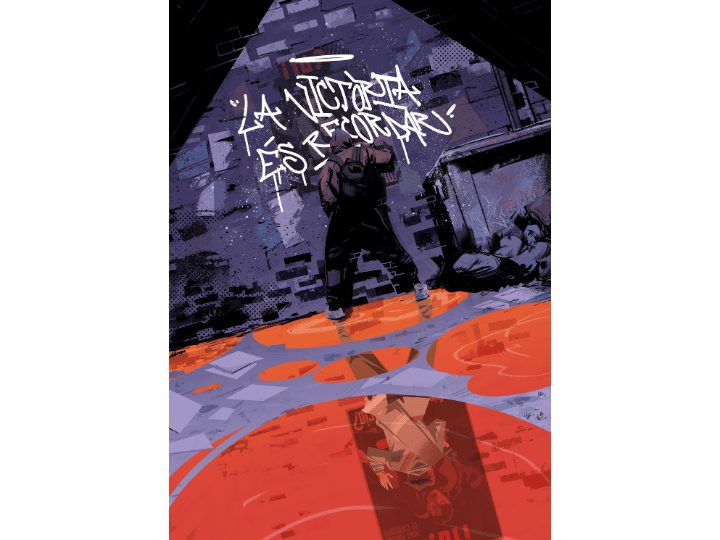
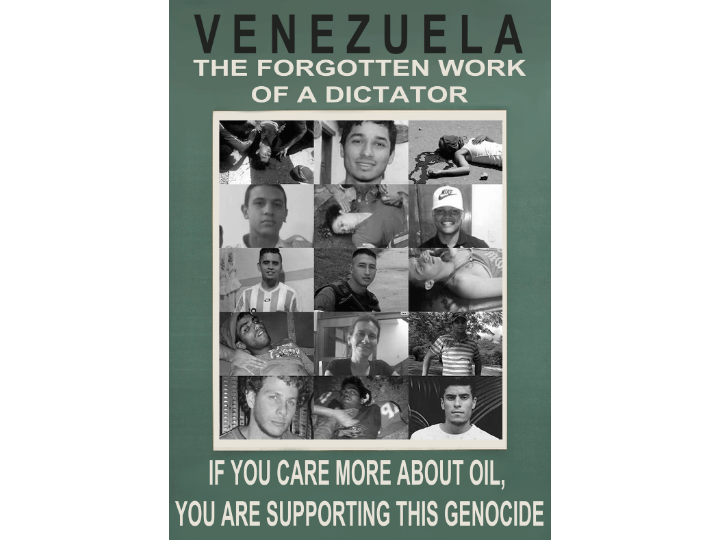
The conclusions drawn from the study of past conflicts are applied to the present context in order to express the concerns and situations of crisis witnessed by the works’ creators. Once the nature of the observed conflicts has been identified, connections with the present are established.
2.7. The Museum Inspires Us
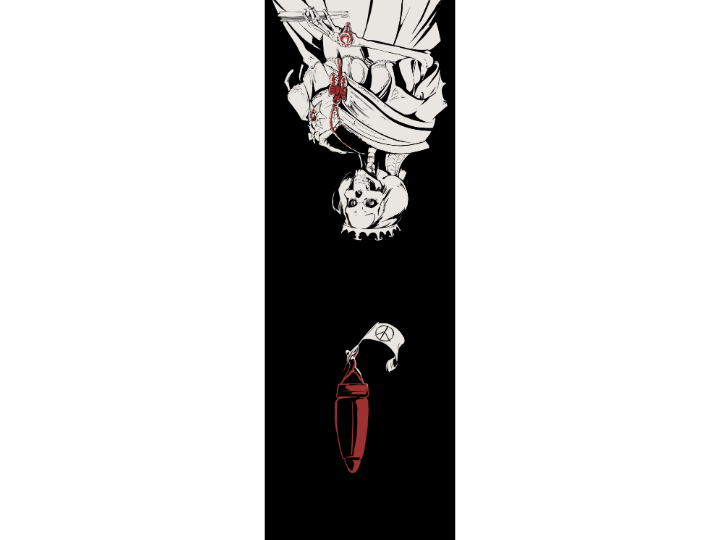
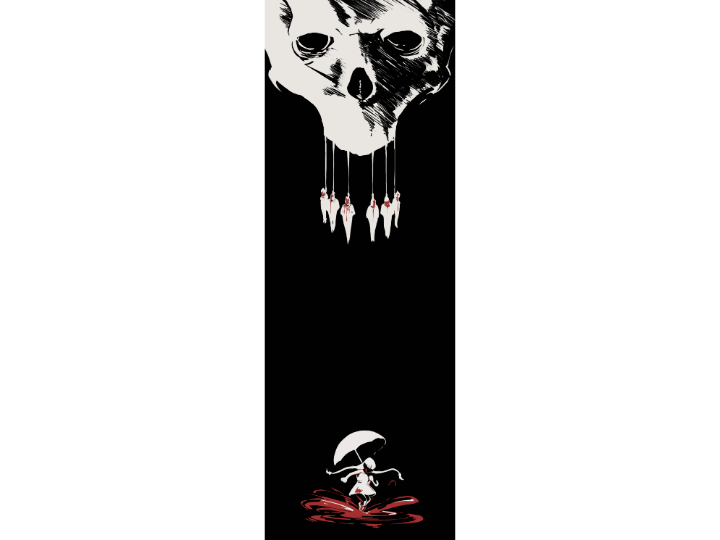
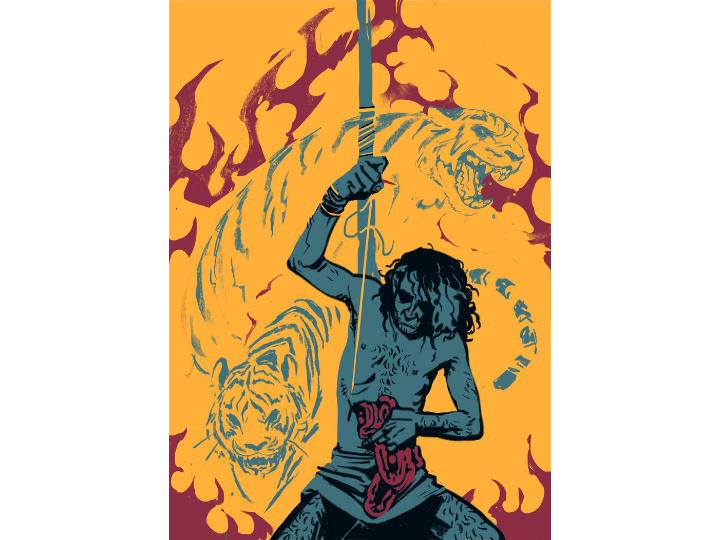
This section includes proposals generated from observing works in the Museum’s permanent exhibitions. Although they are not related to any specific piece, they capture and develop the spirit with which the works were created, giving rise to a personal vision of conflict.
2.8. The MNAC Works, Reinterpreted
Here you will find the reinterpretations organised according to the MNAC work from which they originate.
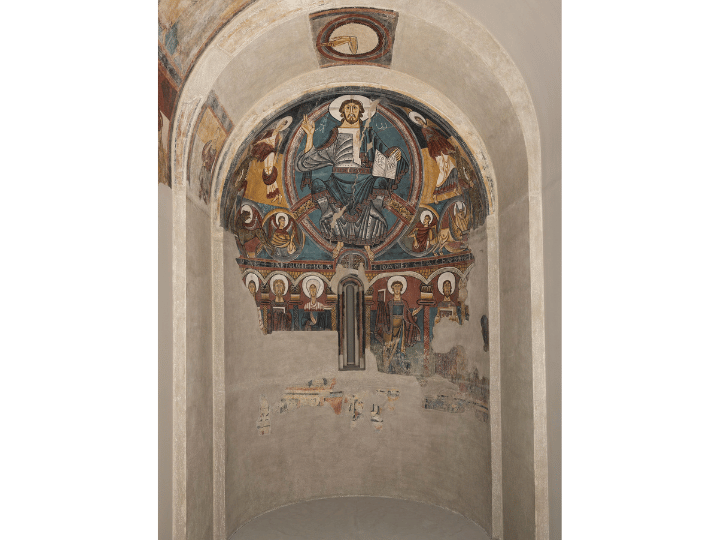
Master of Taüll, Apse of Sant Climent de Taüll, c. 1123.
Master of Taüll, Figure of Cain from Sant Climent de Taüll, c. 1123.
Anonymous, Altar Frontal from Durro, mid-12th century.
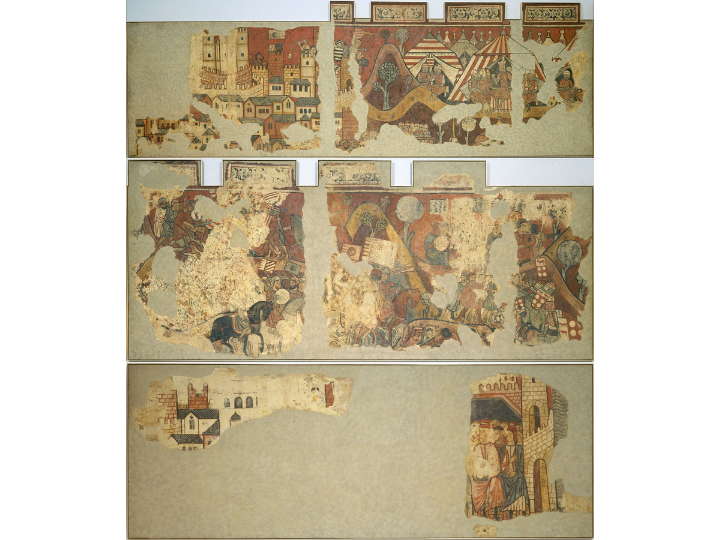
Master of the Conquest of Majorca, Mural paintings of the Conquest of Majorca, 1285–1290.
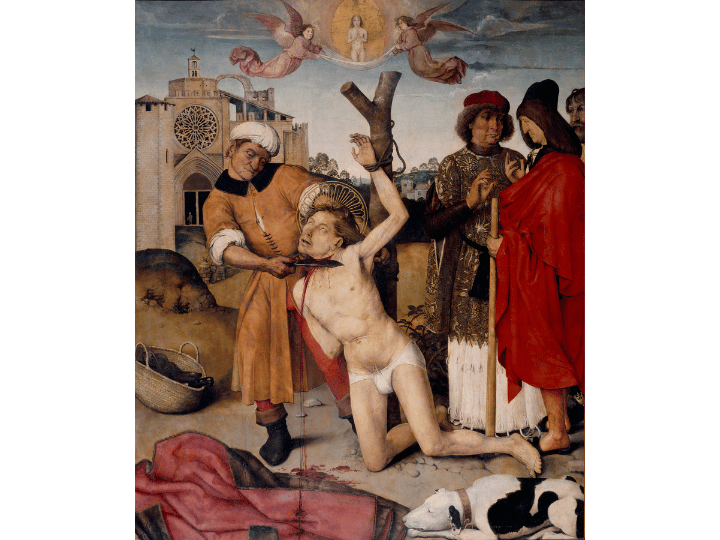
Aine Bru, Martyrdom of Saint Cucuphas, 1502–1507.
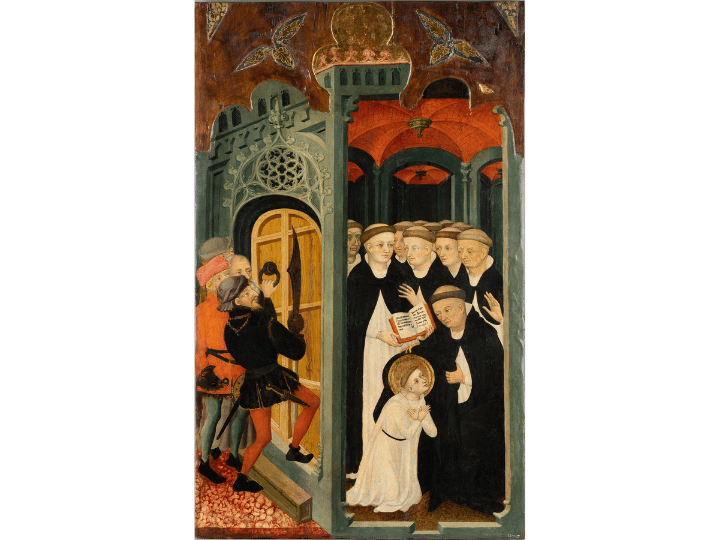
Lluís Borrassà, Investiture of Saint Peter Martyr, 1414–1421.
Anonymous, Pleurants, c. 1295.
Martí Bas, Executions at Badajoz bull ring, 1937.
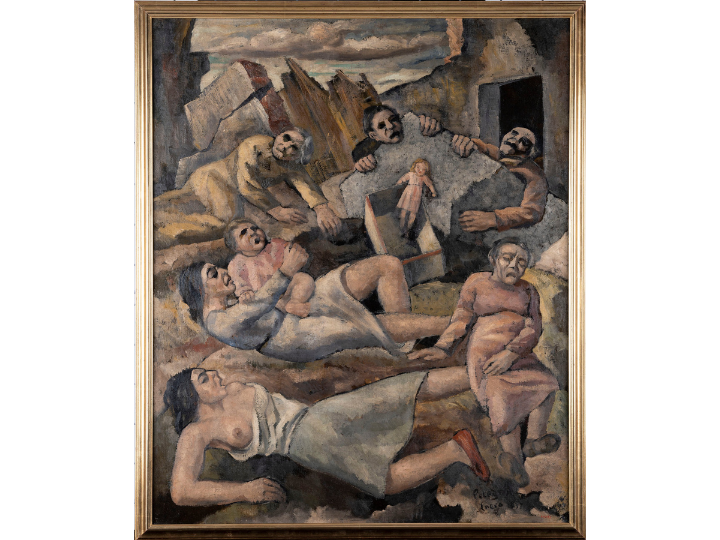
Helios Gómez Rodríguez, Evacuation, 1937.
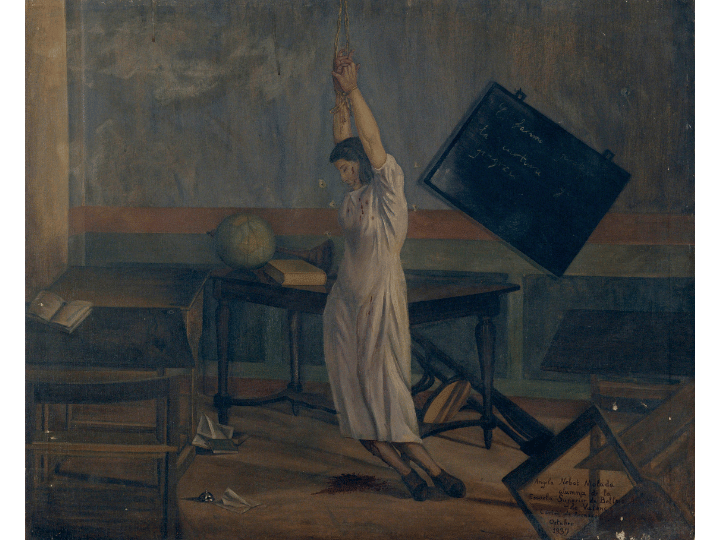
Angela Nebot, Saint Culture, Martyr of Fascism, 1937.
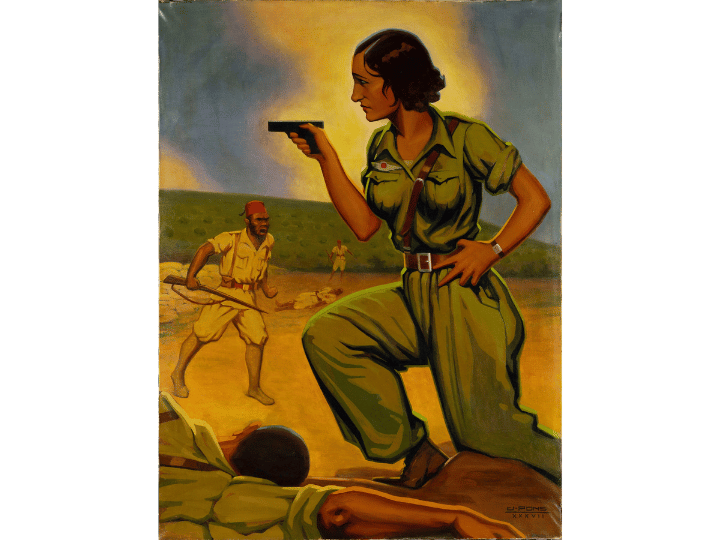
J. Pons, Lina Ódena, 1937.
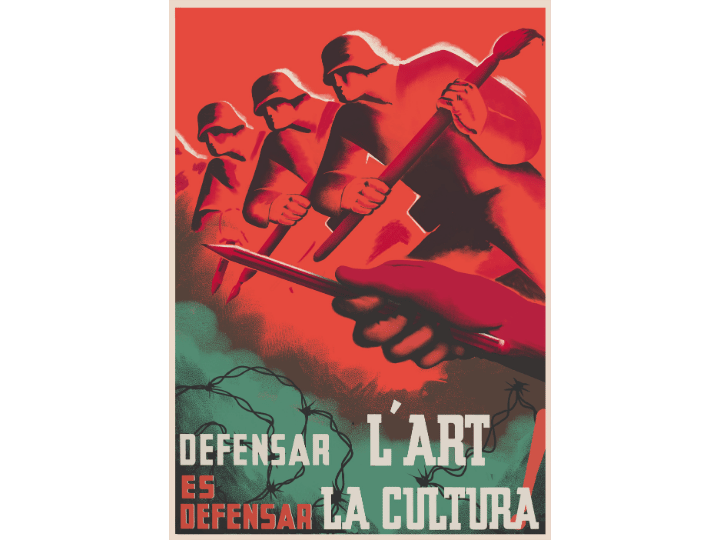
Pere Català Pic, Crush Fascism, 1936.
Santiago Pelegrín, Bomb in Tetuan (Madrid), 1937.
Enric Climent, Bombardment, 1937.
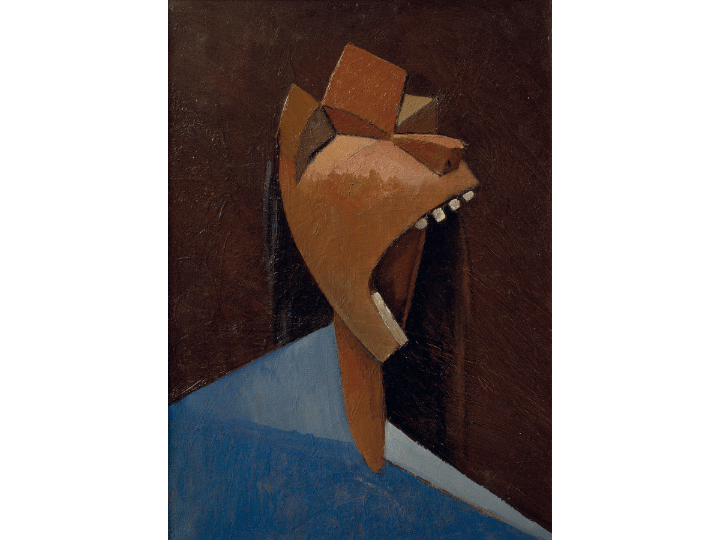
Juli González, Head Shouting, c. 1936–1939.
Helios Gómez Rodríguez, Horros of War. Bombing of a School in Barcelona, 1938.
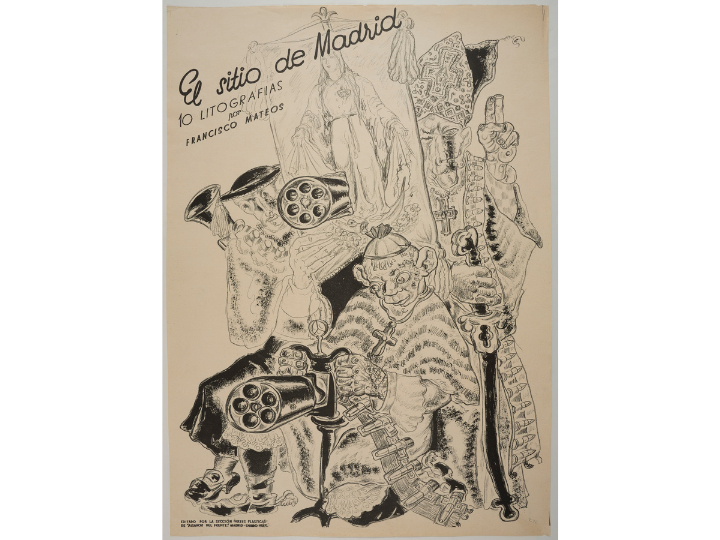
Francisco Mateos, The site of Madrid. 10 lithographs by Fancisco Mateos, 1937.
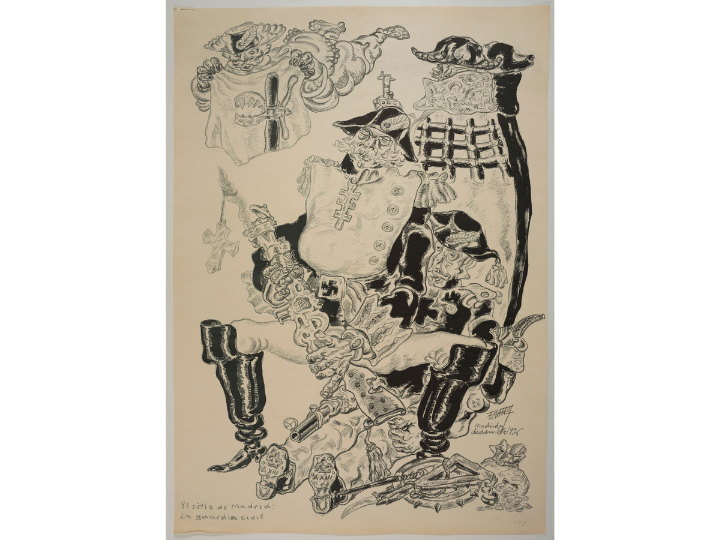
Francisco Mateos, The Civil Guard, 1936.
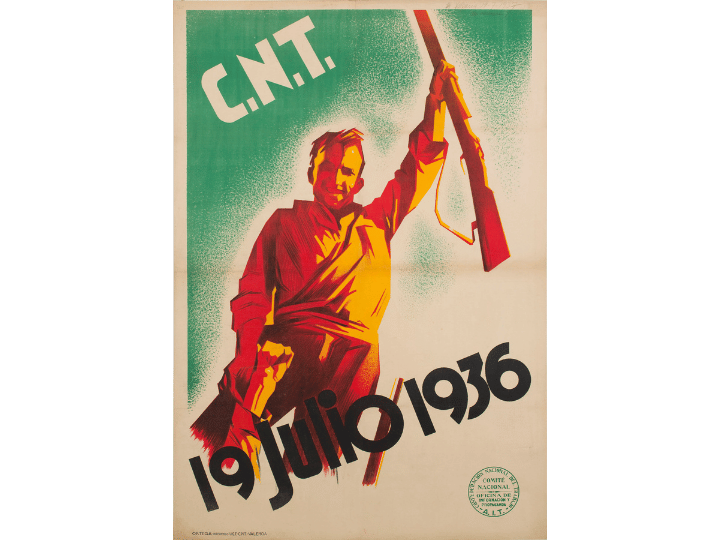
Arturo Ballester, 19 Julio 1936 (19 July 1936), 1936.
Martí Bas, Defensar Madrid es defensar Catalunya! (Defending Madrid is Defending Catalonia!), c. 1937.
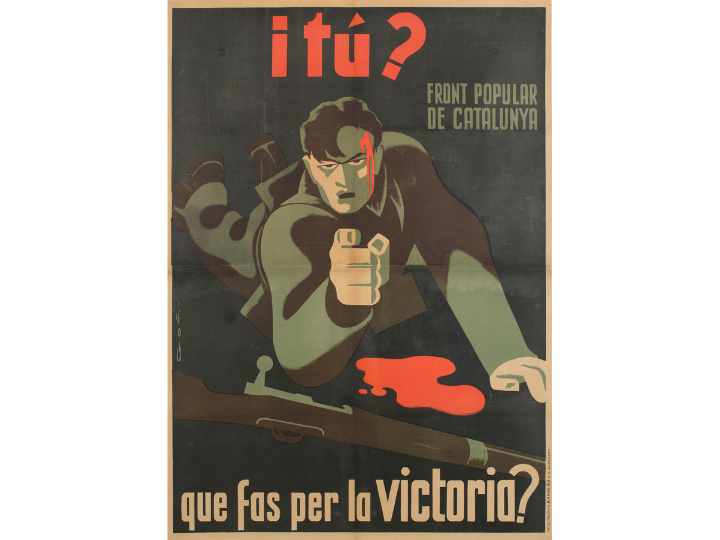
Lorenzo Goñi, I tú? Que fas per la victoria? (And you? What are you doing for victory?), c. 1936.
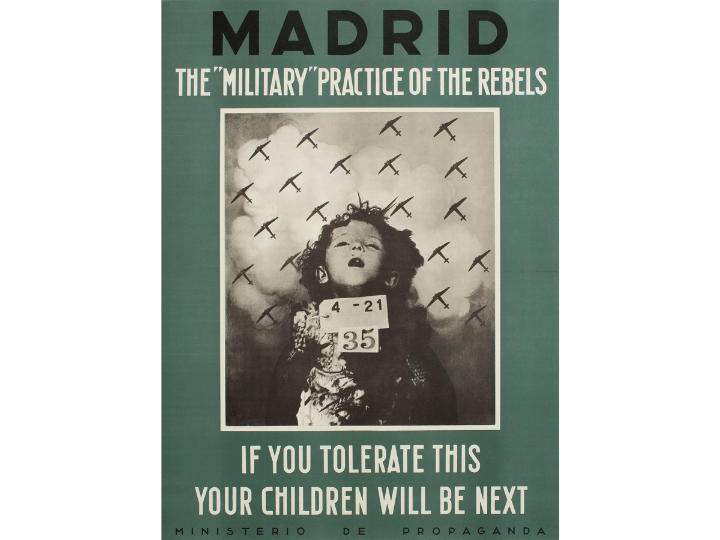
Anonymous, Madrid. The ‘Military’ Practice of the Rebels, c. 1937.
Ready to create a comic? Continue to the next section!
3. Create Your Comic
3.1. The Language of Comics
Comics are a complete and complex art form in which drawing and text combine to construct meaning, and where rhythm becomes a fundamental narrative tool.
The story is structured through resources such as the size and shape of the panels, the placement of the speech balloons or the composition of shots. All these elements are expressive decisions used by the author to communicate: form and content function as an inseparable unit.
Comics can take academic forms aimed at a broader audience, or more experimental approaches in which technique and narrative style do not follow precise or functional models. In this sense, new narrative forms have gained traction within self-publishing and independent comics.
Format is also a factor that shapes the narrative approach. Newspaper comic strips (horizontal), the large format of Franco-Belgian albums (very large pages) or webcomics (with vertical scrolling) are examples of how the medium influences narrative and visual decisions. Each of these formats can become a starting point for creating a comic.
3.2. Guidelines for Creating a Comic
Comics are a form of reading in which drawings, with or without accompanying text, are organised into narrative sequences to tell a story or dramatise an idea. Below, you will find a series of tips for creating your comic, taking into account all the essential elements needed to make it complete.
3.2.1. Sequence
Sequence is the way images and dialogues are organised in order to provide the narration. It implies continuity and succession, where each part determines the next. Normally, events follow a linear sequence, but they can also include time jumps, flashbacks or simultaneous actions.
Within this framework, ellipsis is a key resource: it consists of omitting periods of time or actions that are not relevant to the development of the narrative. This narrative gap helps streamline the story and involves the reader, who must complete or infer the missing information.
3.2.2. Composition
Composition determines the rhythm and flow of reading and is organised according to cultural habits. For example, in the West we read from left to right and from top to bottom, which affects the arrangement of elements within the panel or page.
Composition also makes it possible to distribute elements harmoniously and evenly within the space of the panel or page. The size of the elements, their position, tonal values (light and shadow) and colour help guide the reader’s gaze.
One of the most common resources is the rule of thirds, which consists of dividing the space into a 3 × 3 grid using two horizontal and two vertical lines. The four intersection points are the areas of greatest interest, ideal for placing the main elements. This avoids cluttering the centre and making it rigid, while also creating a more balanced and natural image.
3.2.3. Panel
The panel is the minimum unit of meaning in comics. Each space represents a narrative moment, and its size and shape directly influence the rhythm.
When the aim is to compress time, artists use a greater number of panels; the action is fragmented and the narrative gains speed, unlike action that takes place in larger, more conventional panels. A large-format panel can help establish context, show environments or intensify emotional impact (splash page).
The panel frame (or even the lack thereof) can also have narrative value and become a meaningful part of the story.
3.2.4. Framing and Perspective
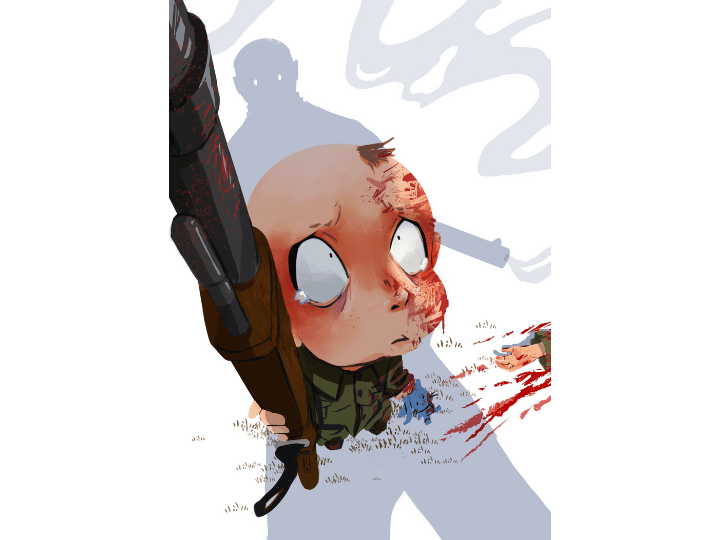
Framing and perspective determine how we perceive space. Viewing angles generate different sensations: a high-angle shot can convey vulnerability or drama, while a low-angle shot suggests superiority or heroism. More dynamic or tense scenes often use the Dutch angle (tilted framing).
3.2.5. Visual Metaphors
Visual metaphors are a distinctive resource in the language of comics. They allow an idea to be replaced by a symbolic image: hearts can indicate falling in love; a light bulb can represent an idea; or a saw cutting through a log can evoke the sound of snoring. These images reinforce the narrative, suggest moods and help describe what is not depicted explicitly.
3.2.6. Text and Narrative Resources
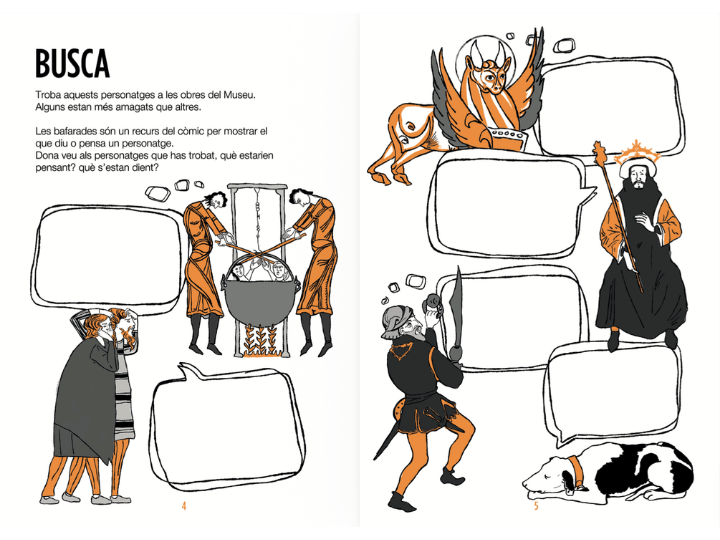
Speech balloons are the graphic resource that contains characters’ dialogue. A tail indicates who is speaking. Since it is usually not transparent, artists must carefully plan where to put them so as not to interfere with the composition. Its shape also determines the tone: it can indicate shouting, whispering or thoughts. Captions are generally rectangular spaces that also contain text. They are used to situate the action in time and space or to introduce a voice-over.
3.2.7. Onomatopoeia
Onomatopoeia imitates or recreates sounds through words. Some graphic elements can be read both visually and phonetically: BOOM (explosion), RING (bell), CRASH (impact). Their size and design influence the perceived intensity.
3.2.8. Movement and Motion Lines
Although comics consist of static images, movement is suggested through various resources. The most common are motion lines, which indicate trajectories and reinforce the sensation of dynamism.
3.2.9. Style, Technique and Colour
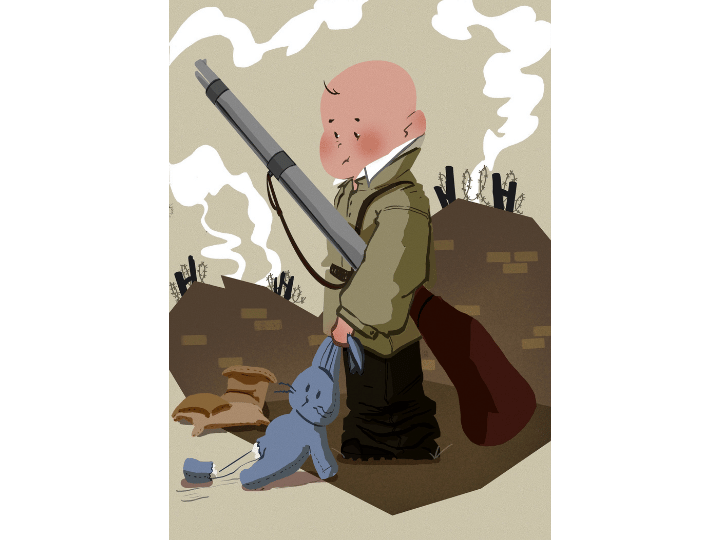
Comic styles come in a wide variety, ranging from realism to cartoon, including expressionism, abstraction, synthesis and more experimental approaches.
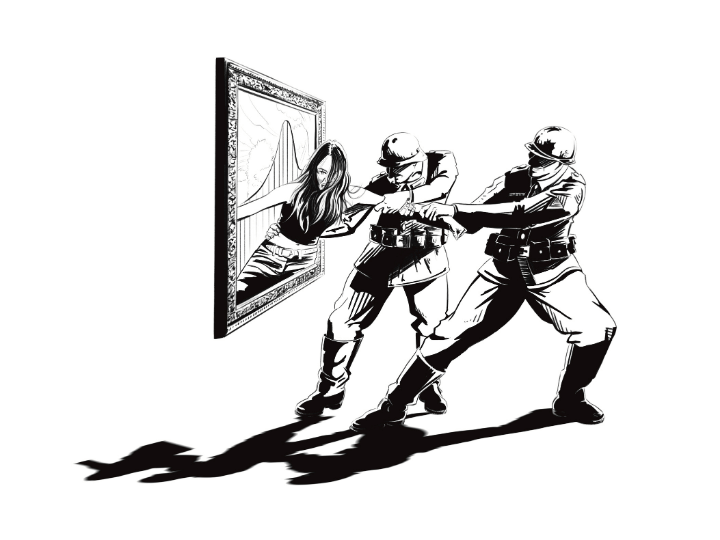
There are also numerous techniques that shape both the atmosphere and tone of the work. Ink can be used as solid areas (with large black masses), as shading (to create shadows and textures) or in a clear-line style (with clean contours).
Beyond description, colour has an expressive and psychological function. Saturated colours, sepia tones, monochromatic palettes or flat colours can define the emotion of a scene. Each colour can have associated meanings depending on the context: blue can convey calm or coldness; red may mean energy or danger; green can represent hope or health.
3.2.10. Character Expression
Facial expressions are an essential form of communication. The challenge is to represent them accurately so that the reader can recognise emotions such as joy, sadness, anger, surprise or fear.
3.3. From Sketches to Panels
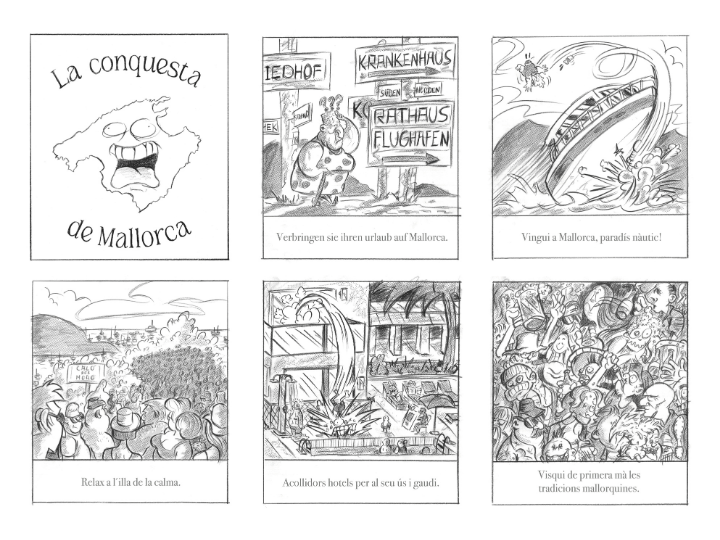
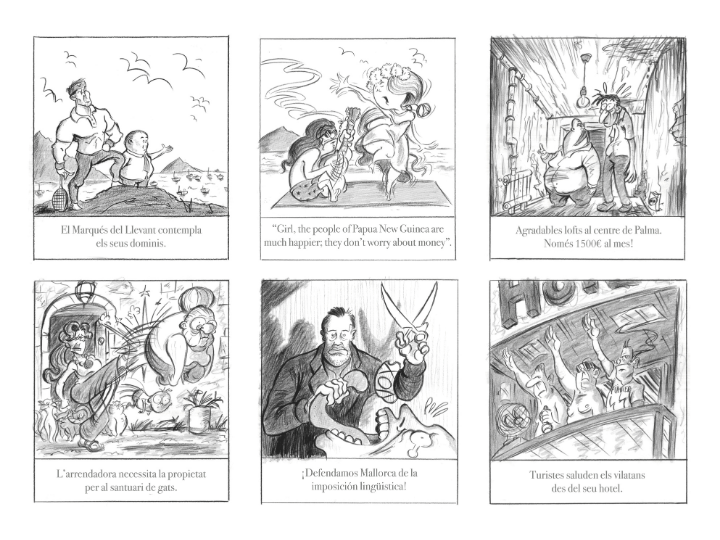
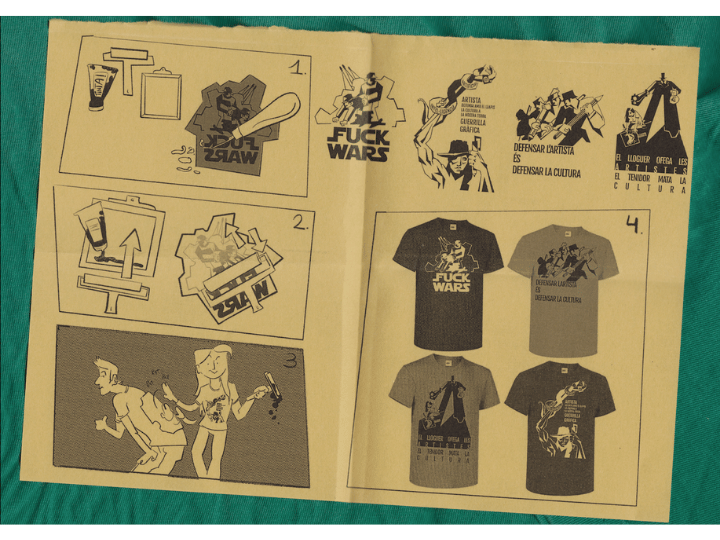
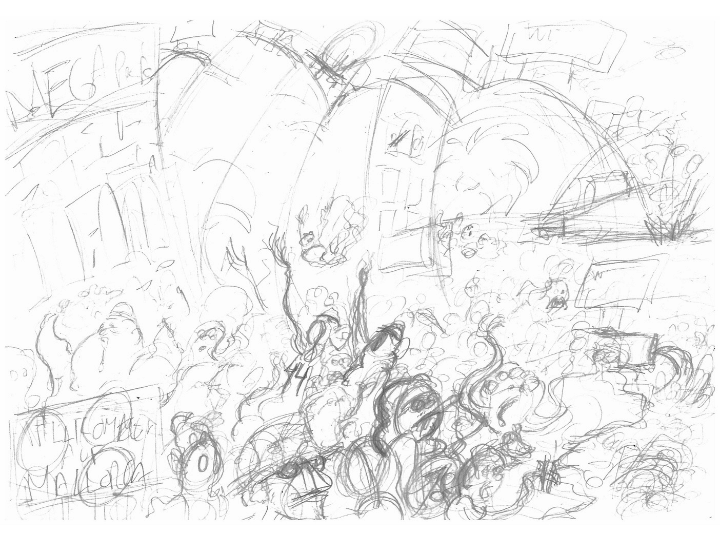
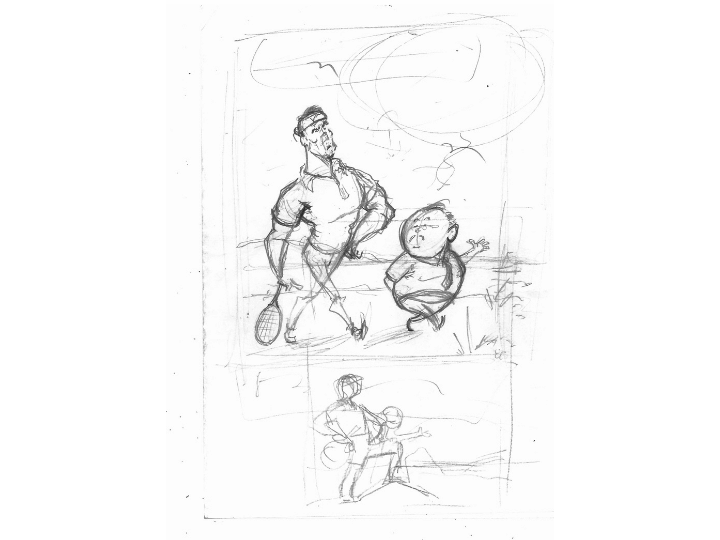
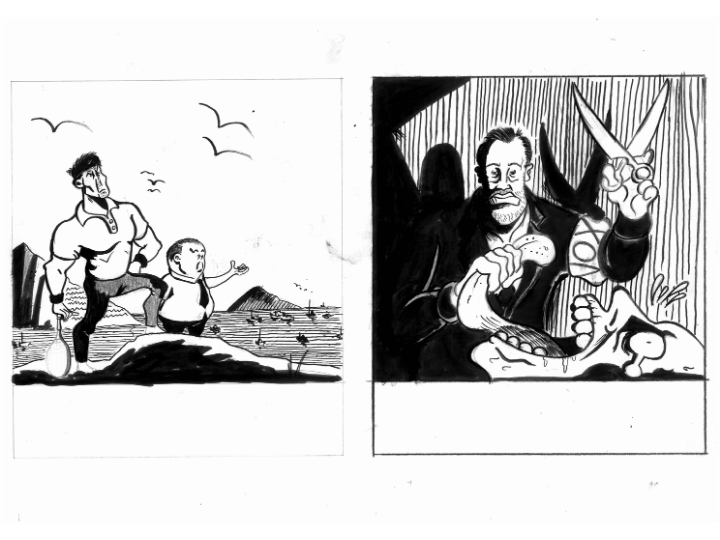
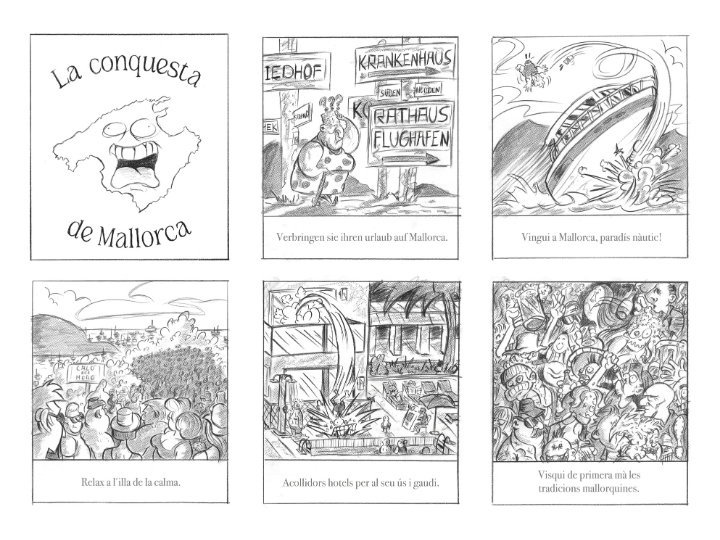
This section features different moments from the creative process, from the initial ideas to the development of the proposals. Through sketches and other working materials by 13 students from Escola Joso, you can observe decisions, changes and different ways of approaching composition and visual storytelling.
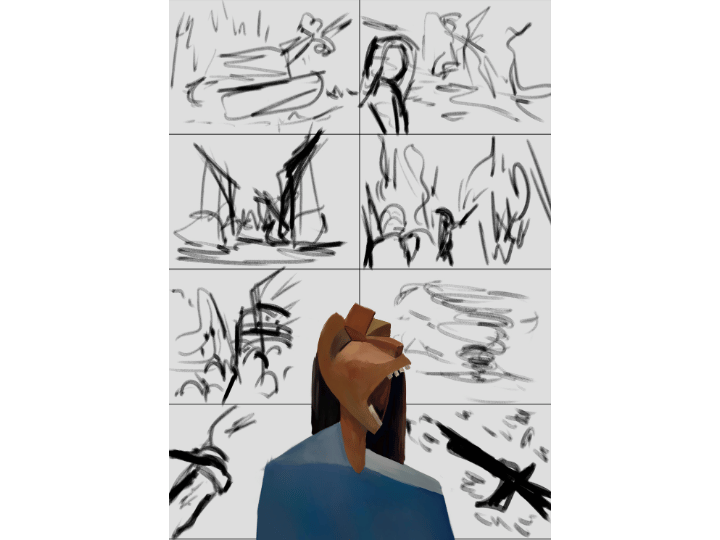
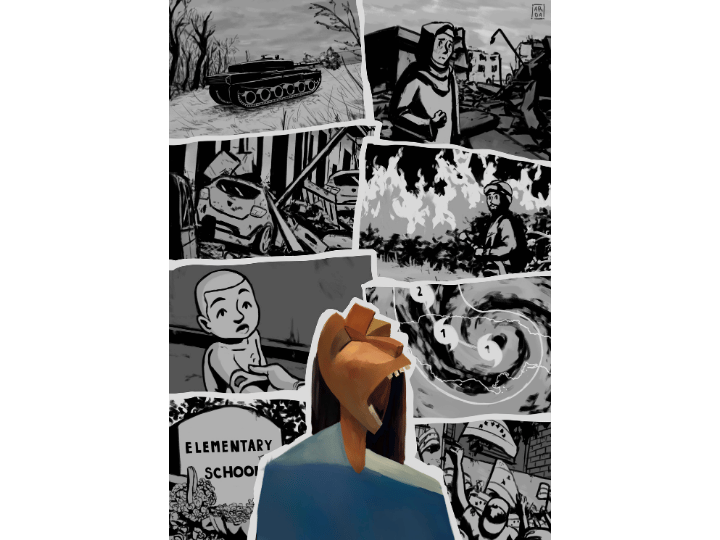
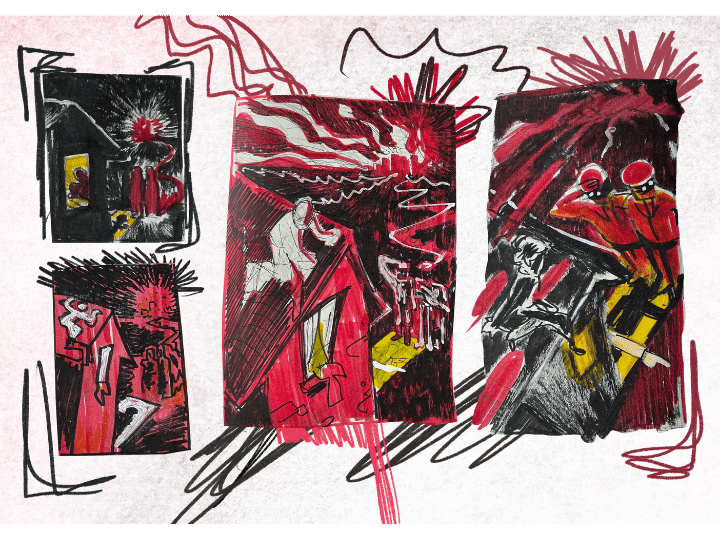
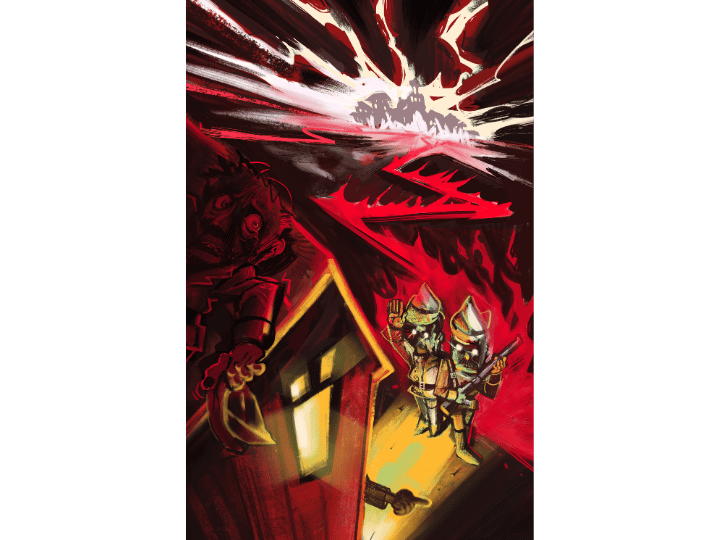
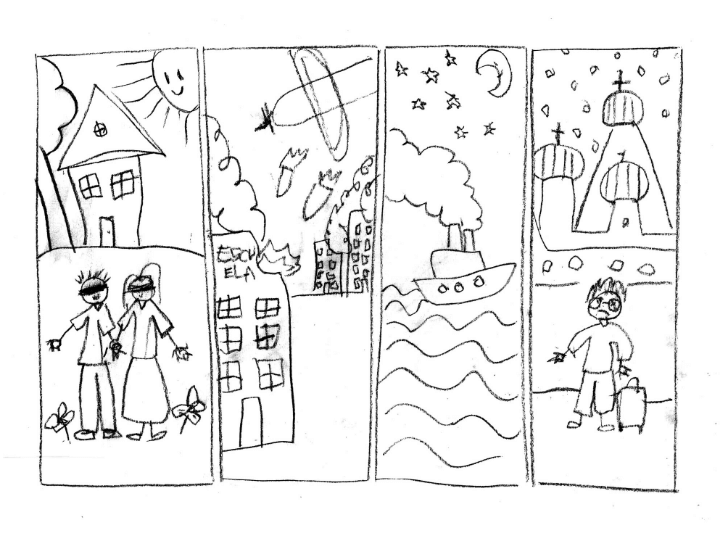
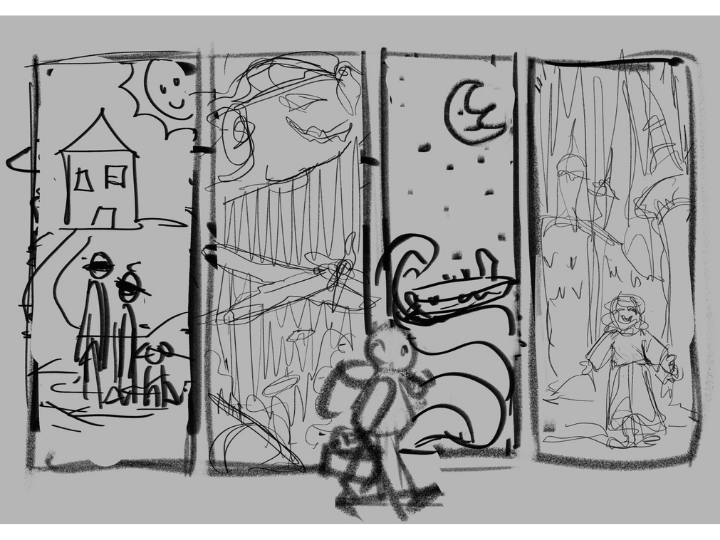
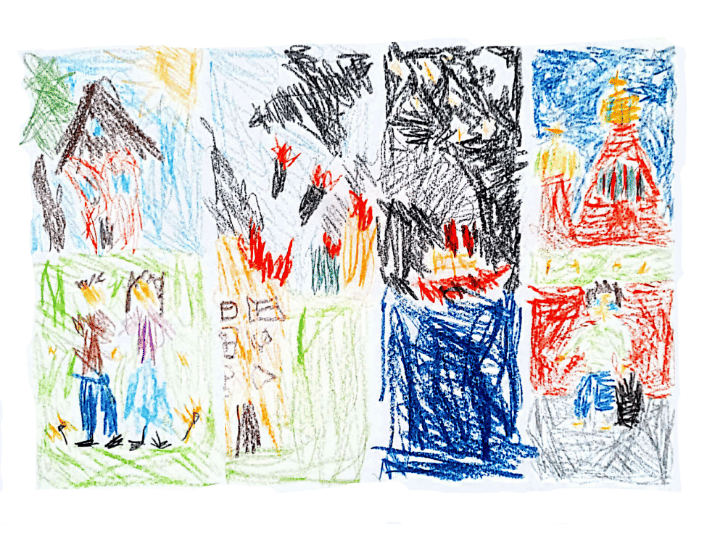
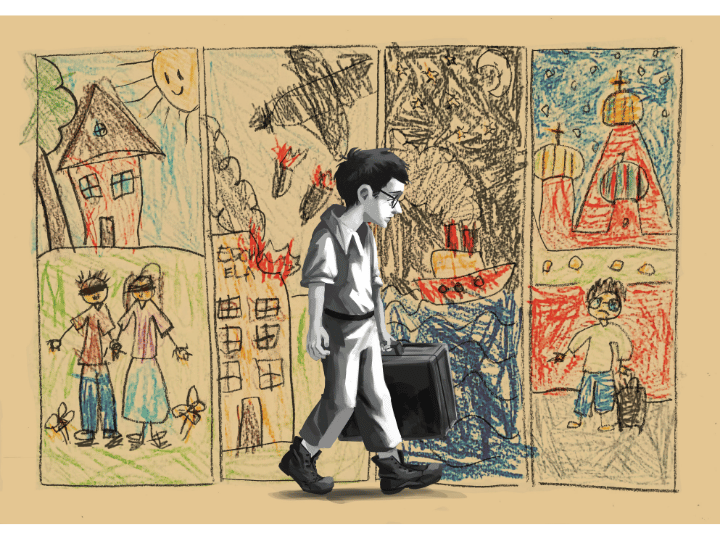
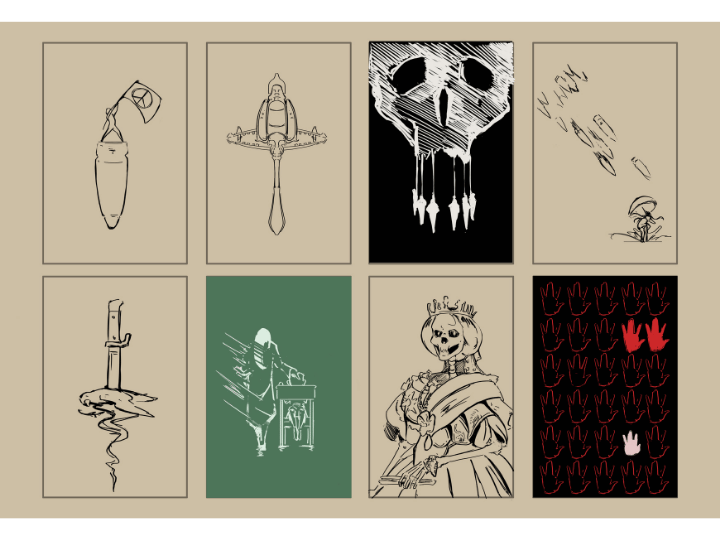
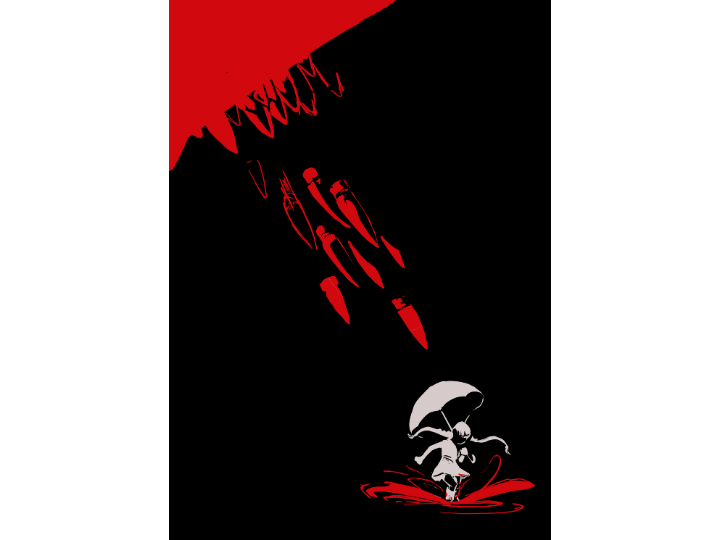
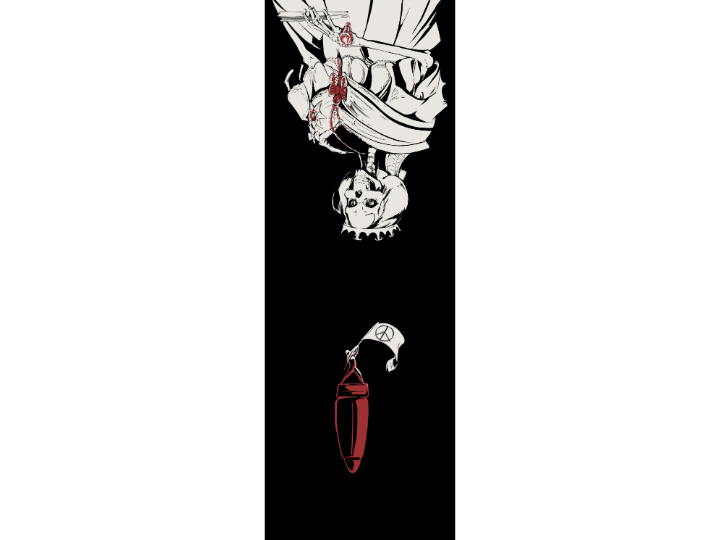
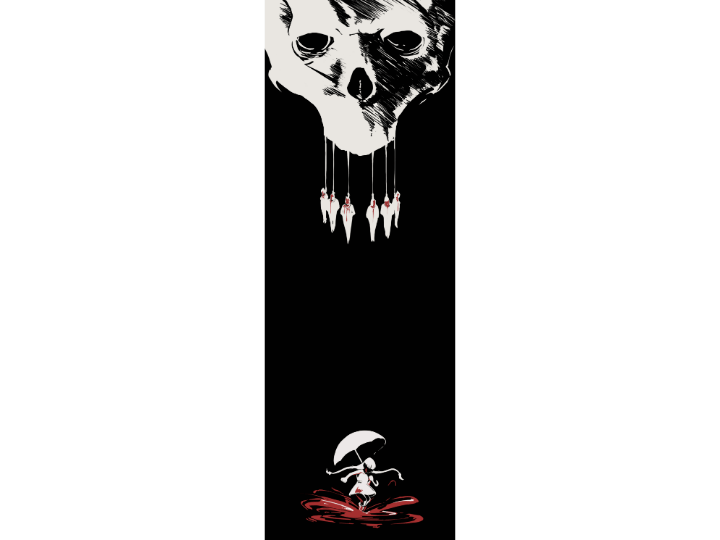
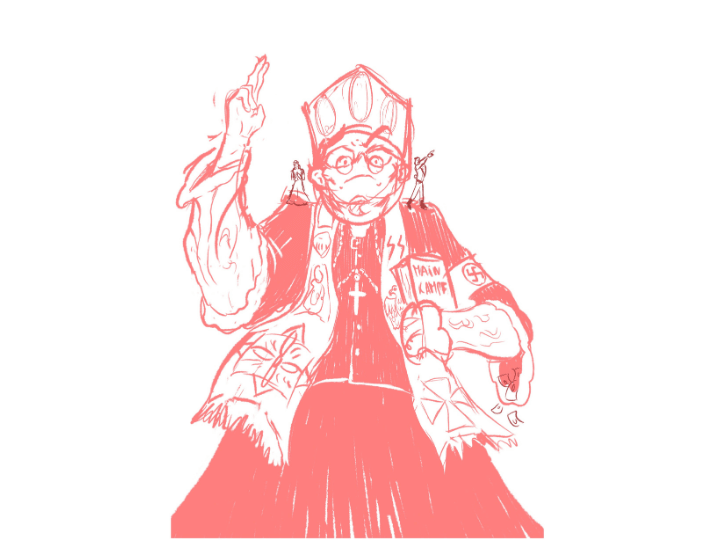
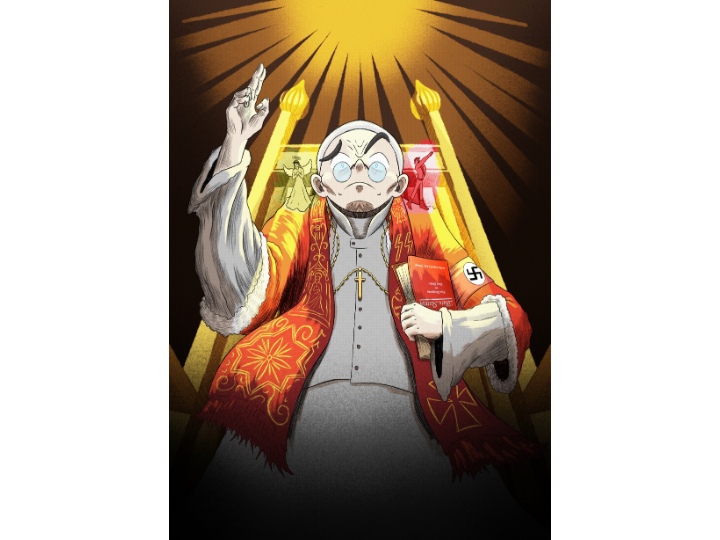
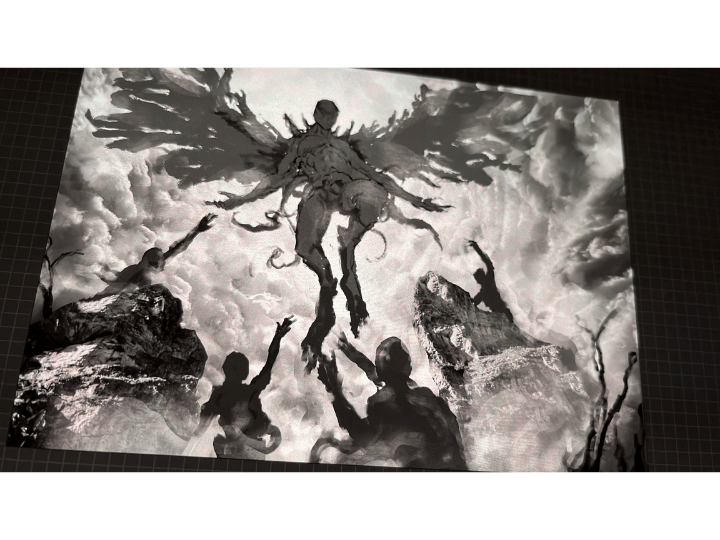
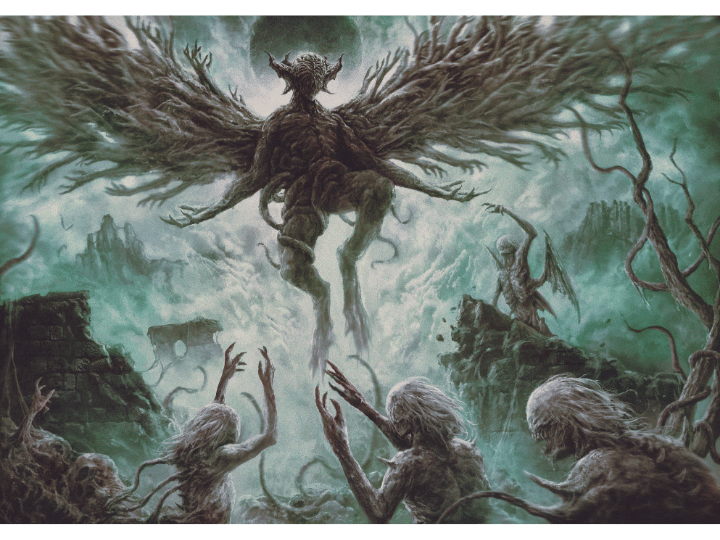
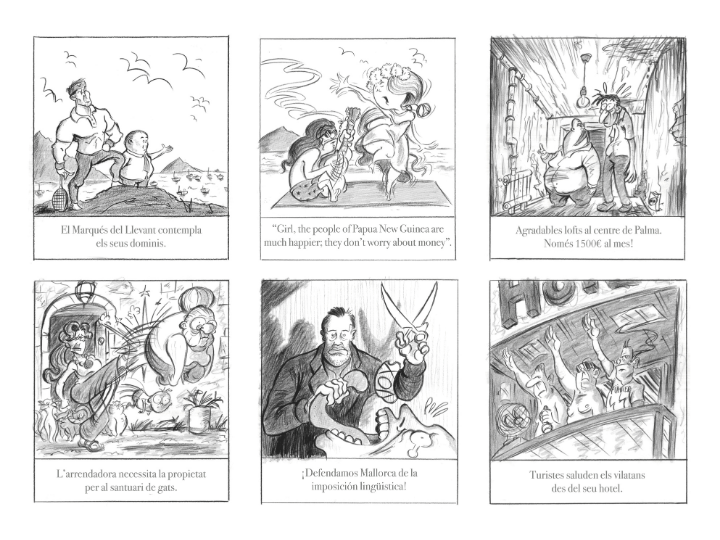
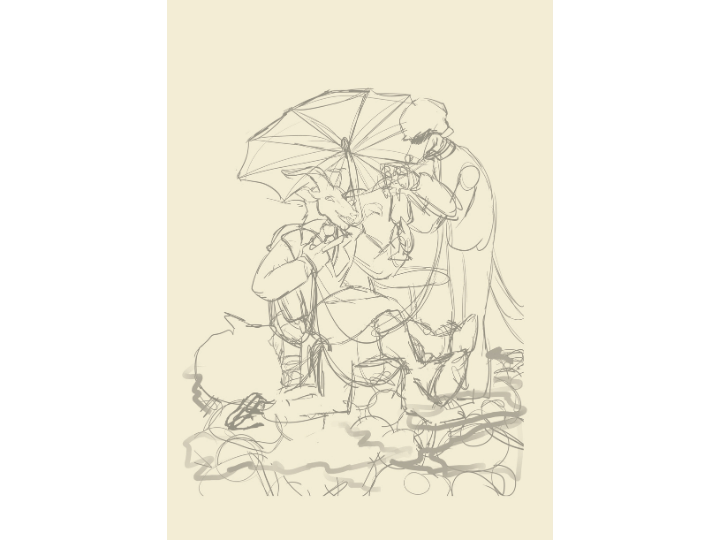
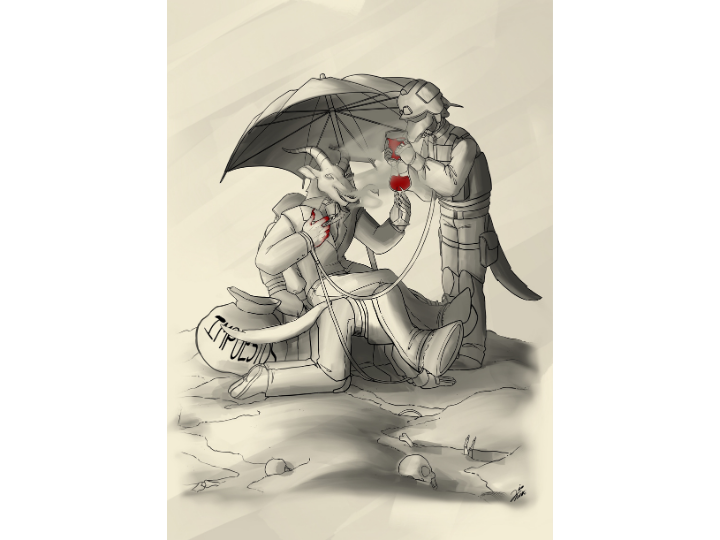
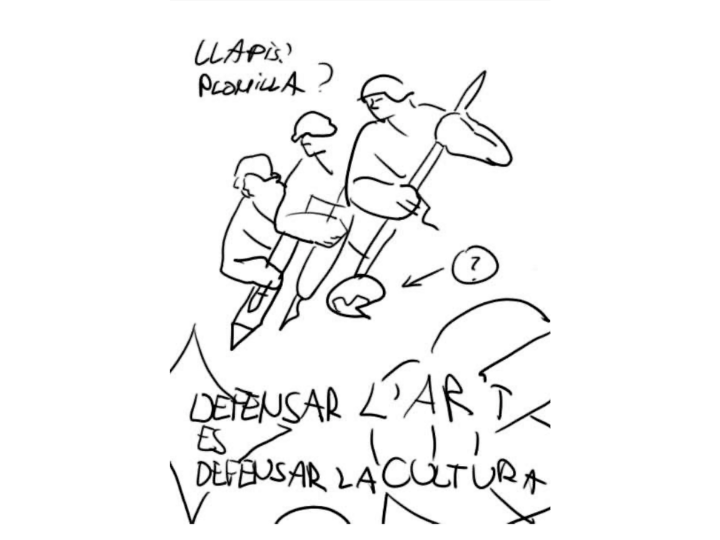
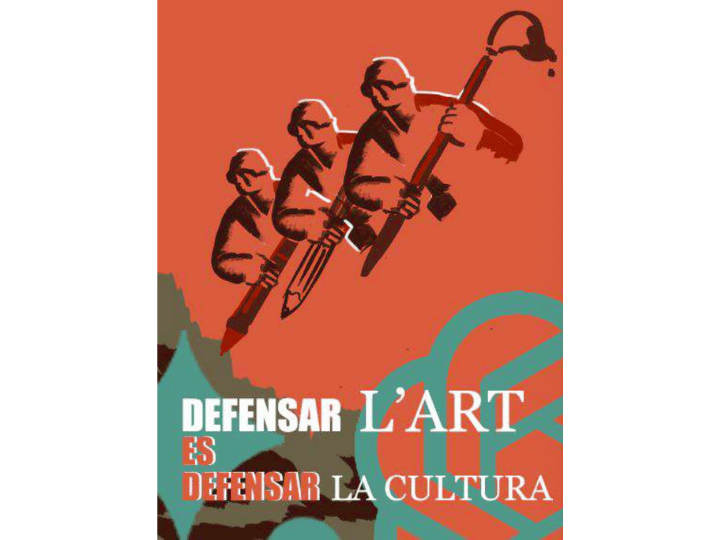
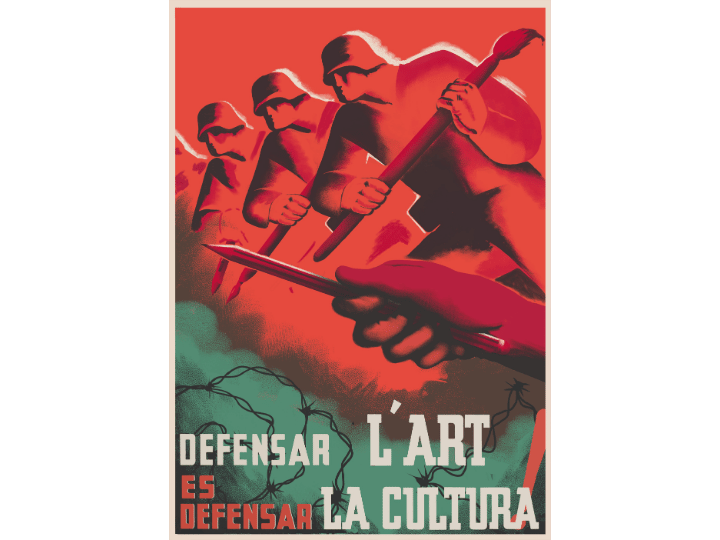
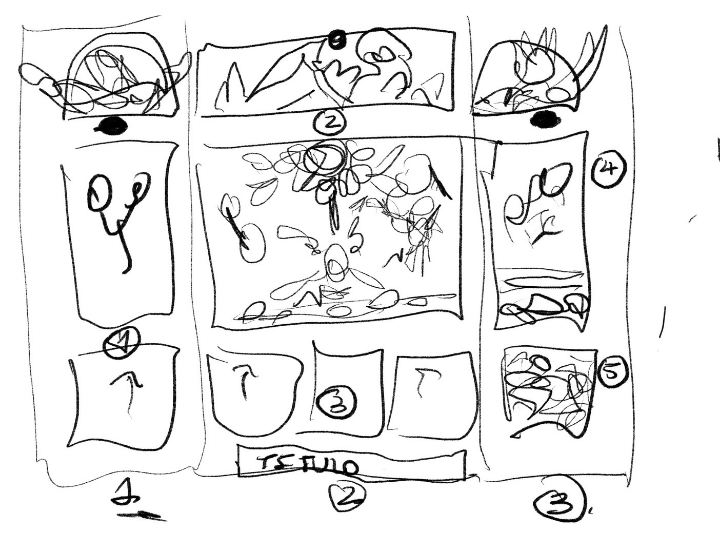
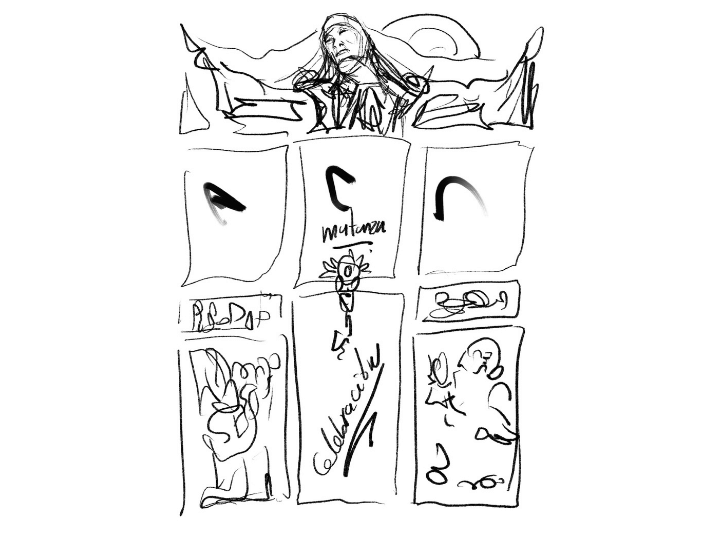
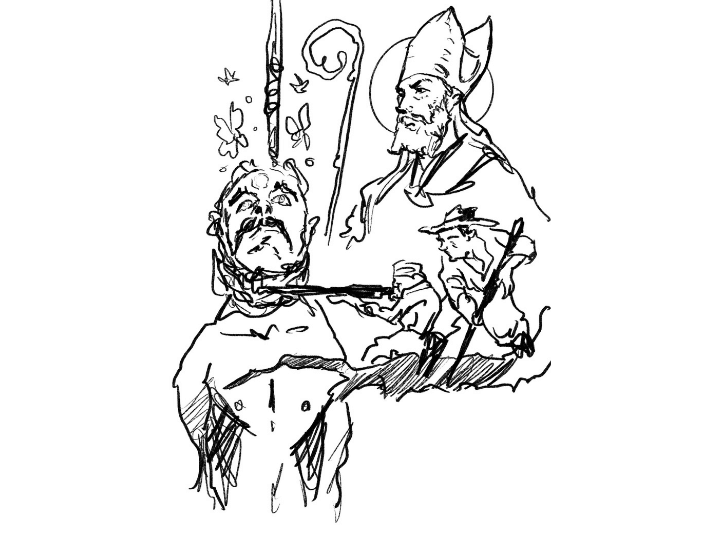
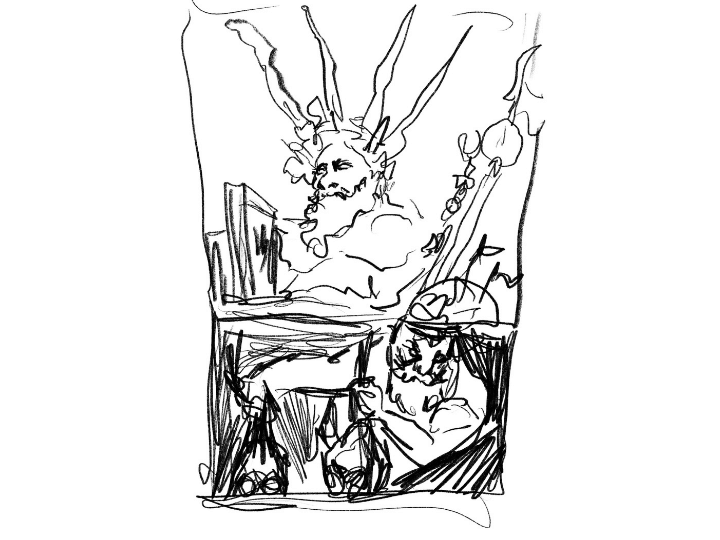
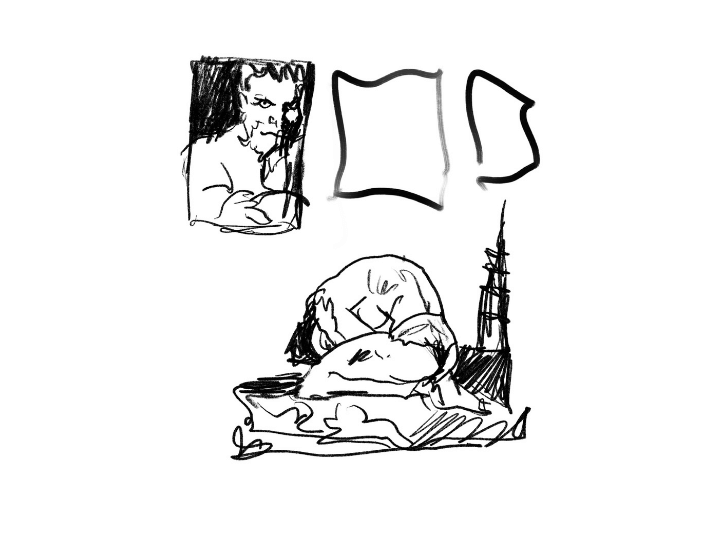
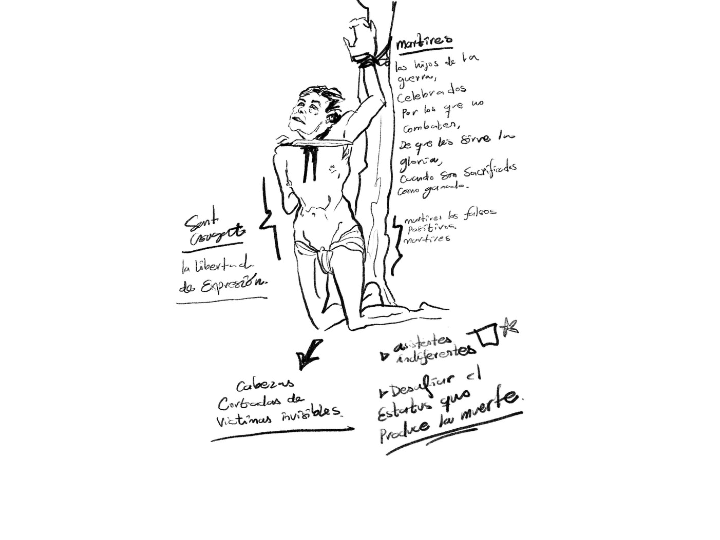
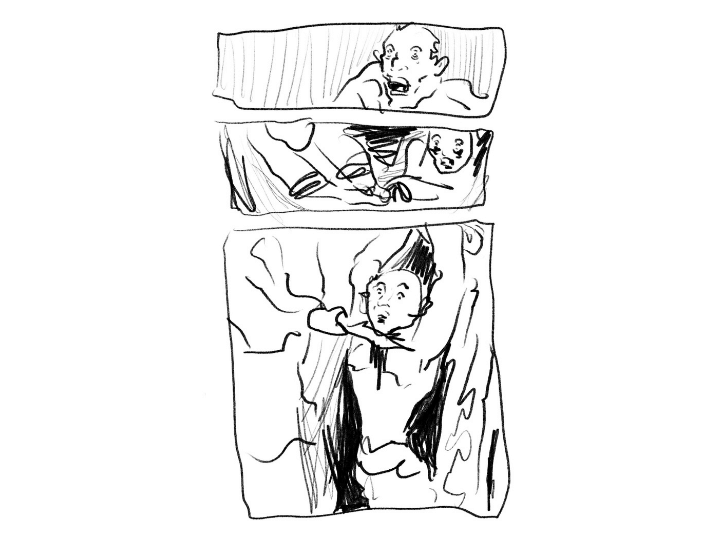
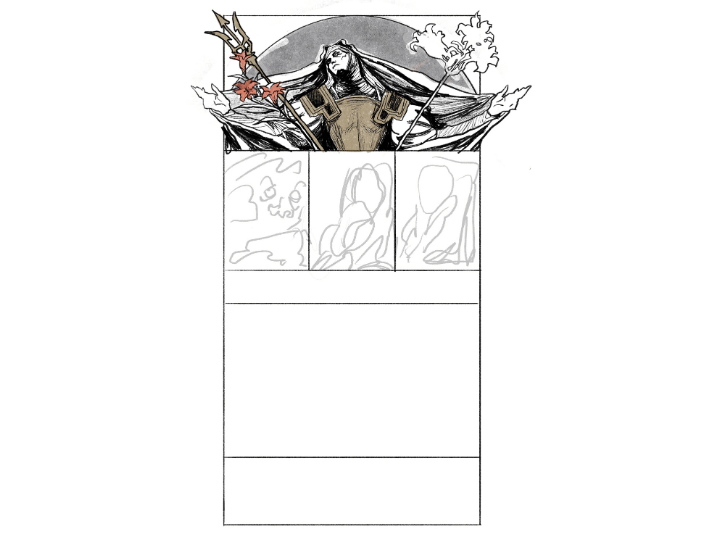
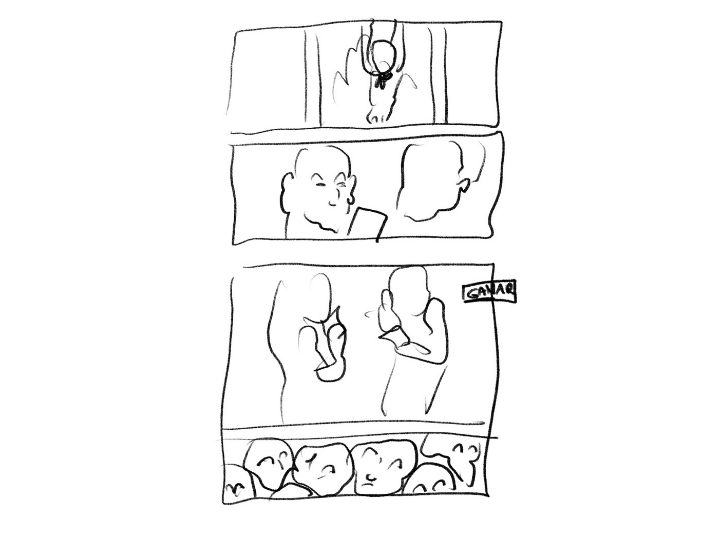
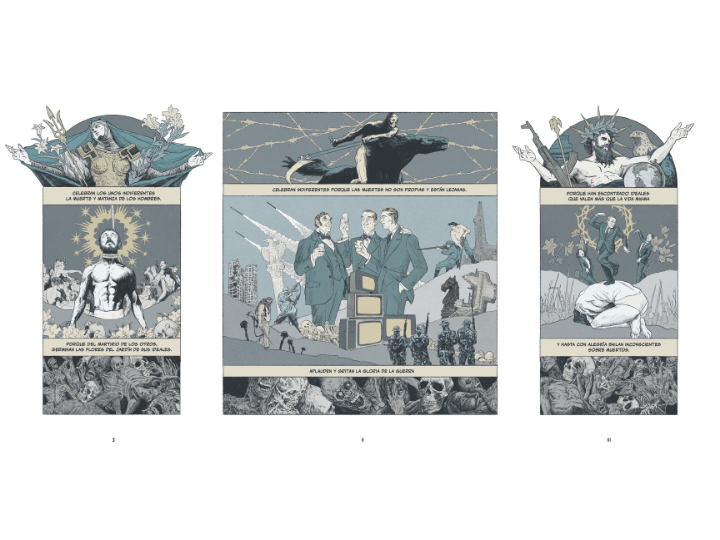
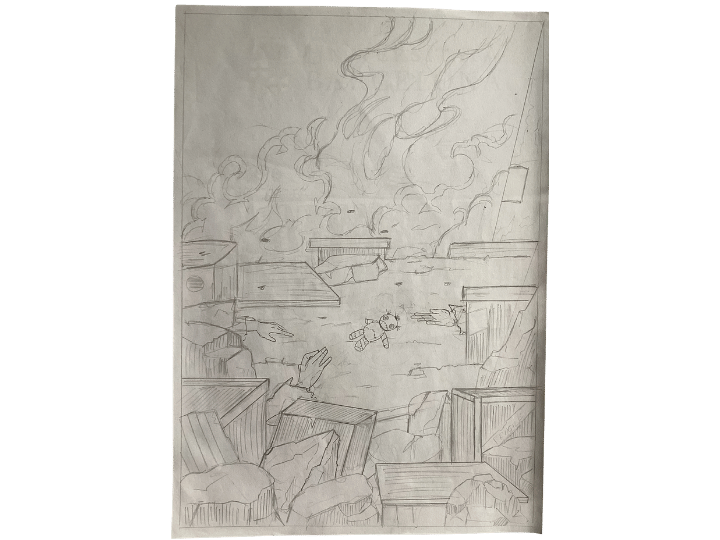
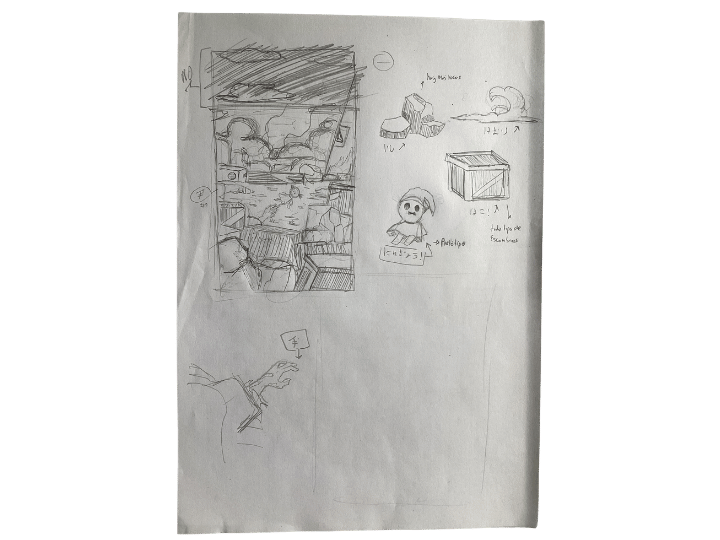
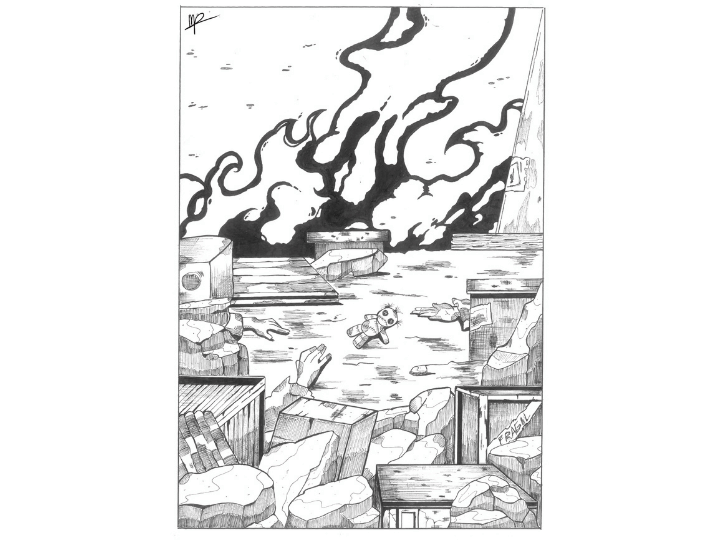
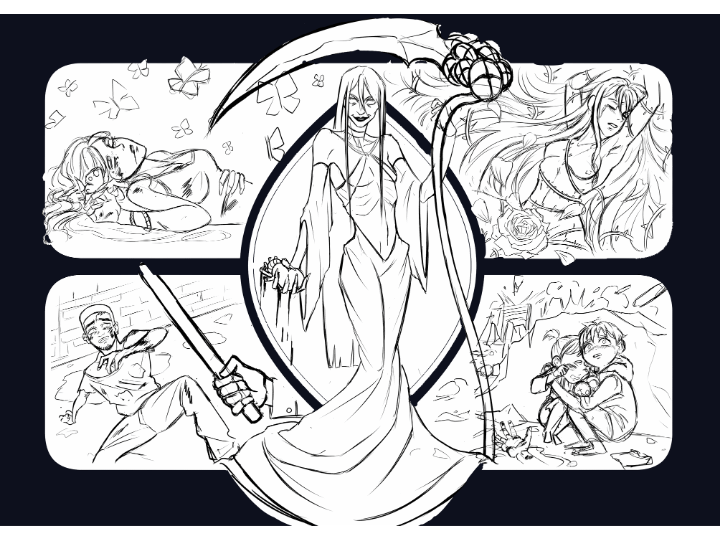
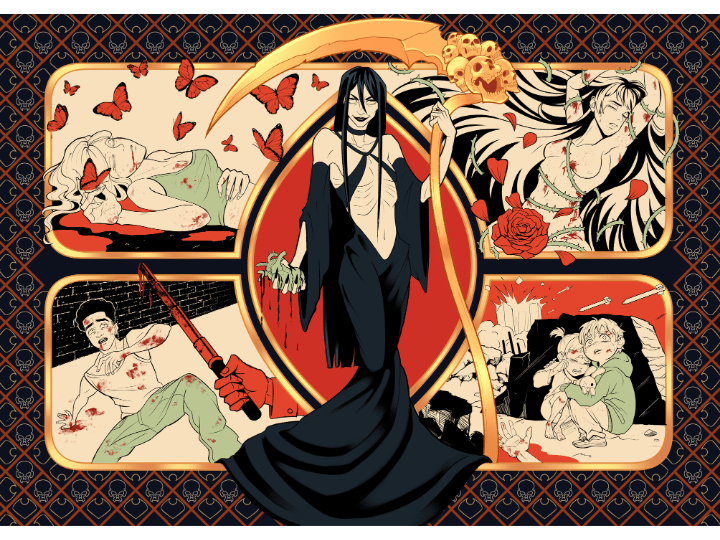
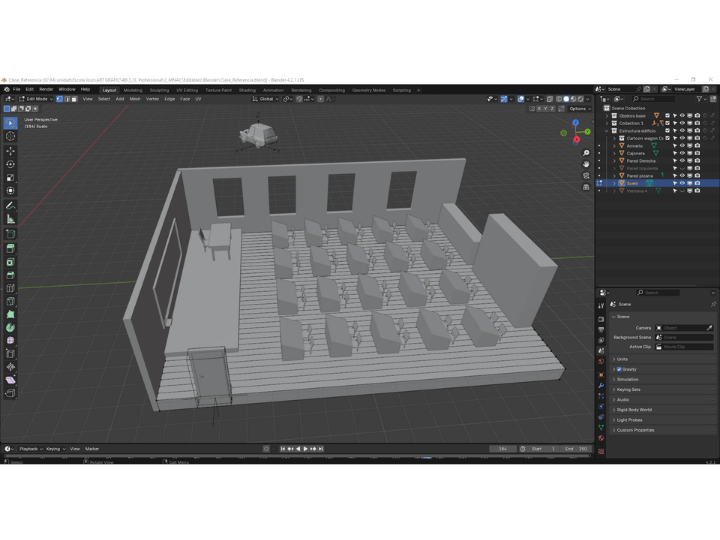
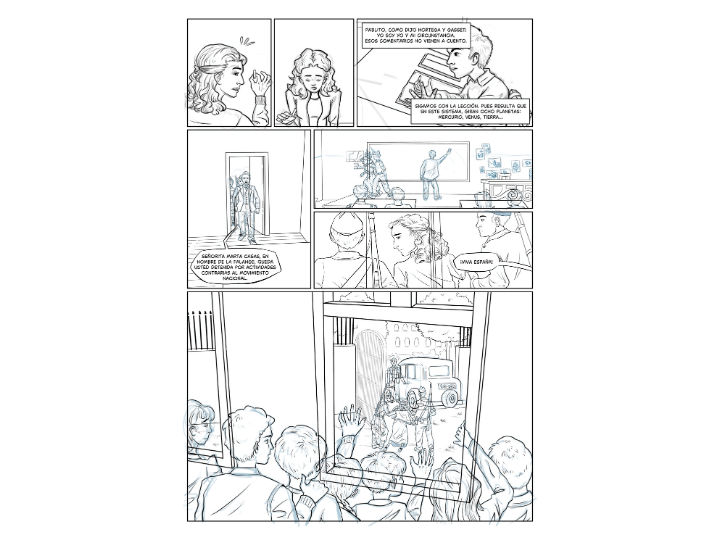
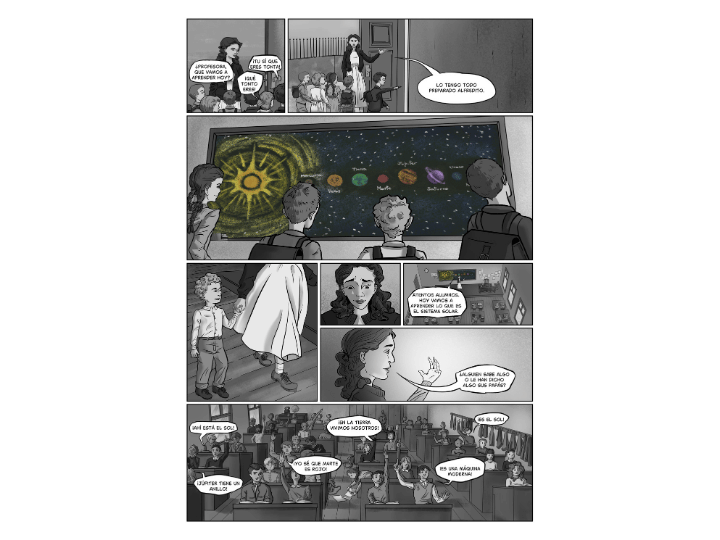
This approach to heritage opens up new ways of experiencing the Museum. Along these lines, you can also explore the materials from El Museu dibuixat in greater depth.
4. More Comics at the MNAC
Comics occupy a unique place in the Museum and you can enjoy them in multiple formats: through works in the collection, temporary exhibitions devoted to comics, and the two publications created with scriptwriter Jorge Carrión and illustrator Sagar Forniés — Gòtic (2018) and El Museu (2023) — which understand comics as another work within the MNAC.
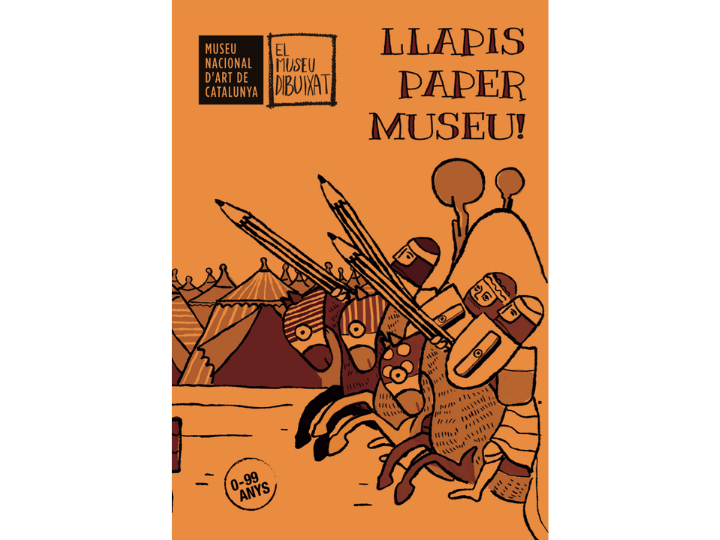
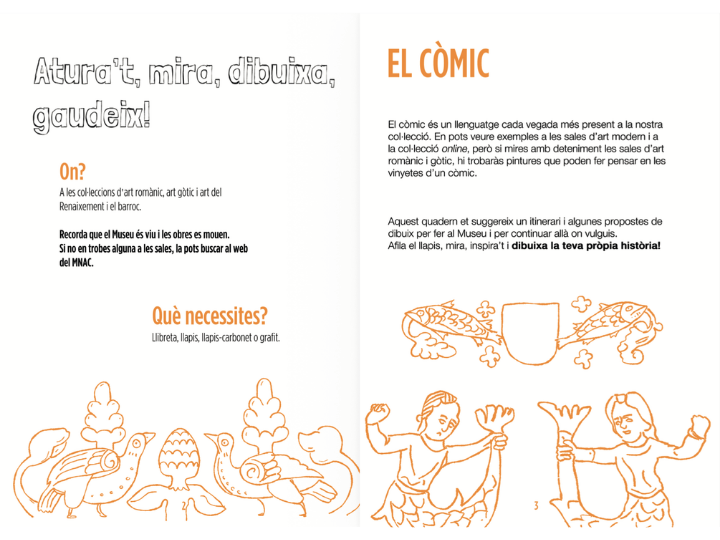
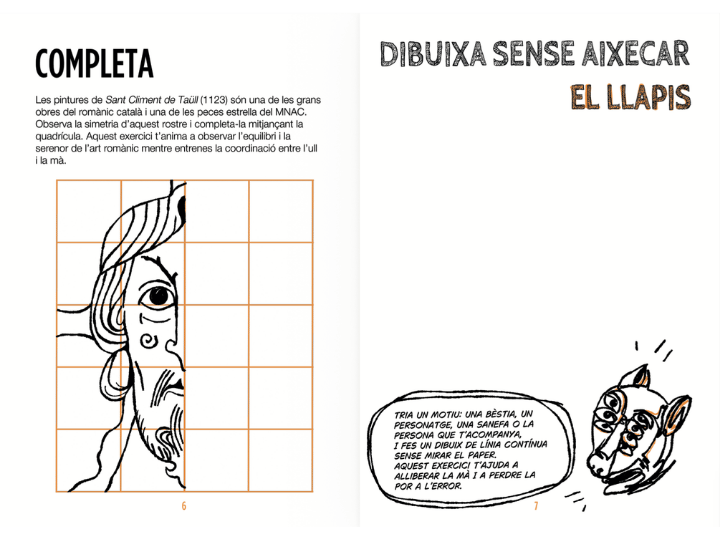
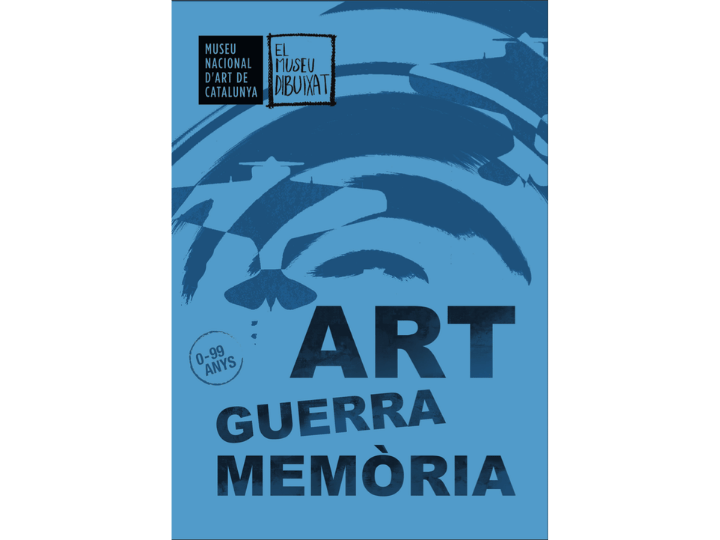
If you would like to experience the language of comics, the Museum invites you to take part in El Museu dibuixat, a self-guided proposal aimed at discovering the collection while drawing during a visit. In addition, within the framework of this collaboration with Escola Joso, the MNAC team and Carlos Chavez, a student at the school, have created the notebooks Art, guerra, memòria and Llapis, paper, museu, which will allow you to become comic artists yourselves.
Explore the content on the Canal +MNAC and discover comics at the Museum!
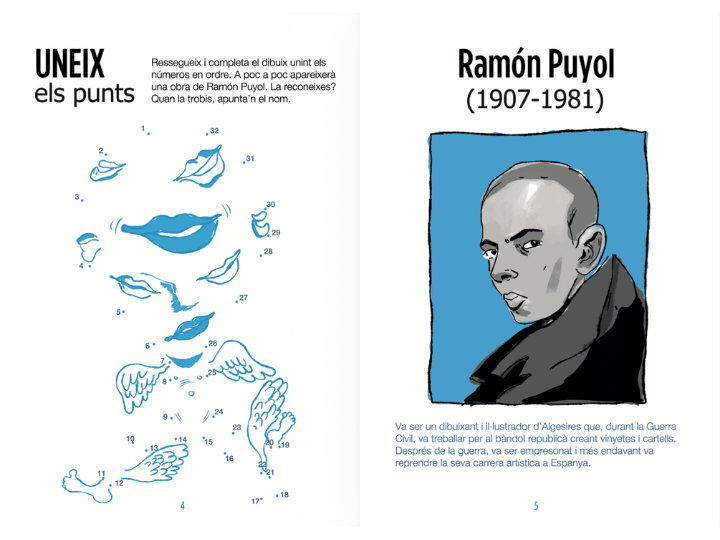
Take a look at the first pages of Art, guerra, memòria!
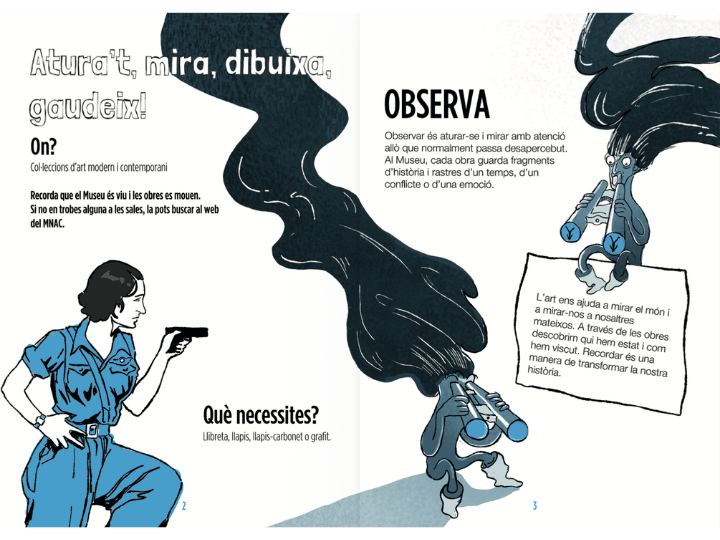
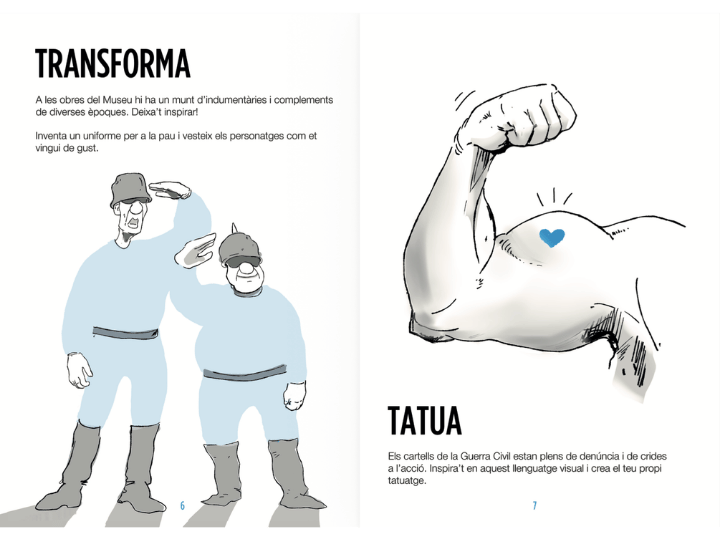
And now discover Llapis, paper, museu!